Pressure Washer Buying Guide: Understanding Power, Performance, and Practical Use
Pressure washers promise fast, dramatic cleaning results, but choosing the right one is often more complicated than it first appears. Many homeowners assume that higher pressure automatically means better cleaning, when in reality the best choice depends on surfaces, usage frequency, and overall system design. A washer that’s too weak can struggle with stubborn grime, while one that’s too powerful may damage wood, paint, or delicate materials. This guide explains how pressure washers actually work, how to interpret specifications like PSI and GPM, and how to evaluate practical features so you can choose a machine that matches your cleaning tasks without unnecessary cost or risk.
How Pressure Washers Actually Work
A pressure washer is essentially a pump that forces water through a narrow nozzle at high speed. The increased velocity creates a concentrated stream capable of loosening dirt, algae, mold, and debris from outdoor surfaces. While this may seem straightforward, the effectiveness of a pressure washer depends on several interacting components: the motor or engine, the pump, the hose, and the nozzle design.
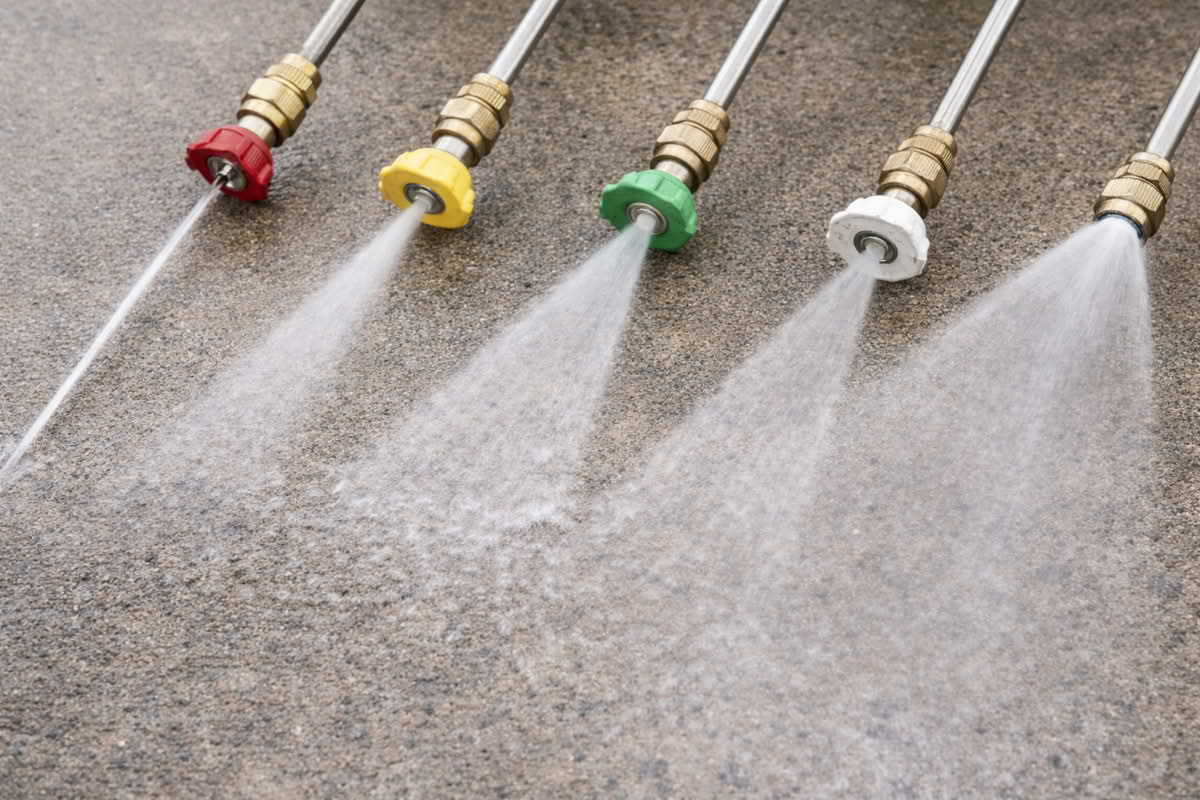
The pump increases the pressure of incoming water from a standard garden hose. This pressurized water travels through a high-pressure hose and exits through interchangeable spray tips. Different nozzle angles control how concentrated the water stream becomes. Narrow spray angles concentrate force into a smaller area, while wider angles distribute pressure more gently across larger surfaces.
Pressure washer nozzles create different spray patterns that control how concentrated or gentle the water pressure becomes.
The most common mistake new buyers make is assuming that pressure alone determines cleaning performance. In practice, cleaning effectiveness comes from a balance between pressure, water volume, and spray pattern. A machine with slightly lower pressure but higher water flow can often clean faster because it moves debris away more efficiently.
The pump generates pressure and determines long-term durability.
The nozzle controls how pressure is delivered to the surface.
Water flow determines how quickly dirt is rinsed away.
The motor or engine affects runtime and portability.
Understanding these fundamentals makes it much easier to evaluate specifications and avoid machines that look powerful on paper but struggle in real-world cleaning scenarios.
Understanding PSI, GPM, and Cleaning Power
Pressure washer specifications can be confusing because manufacturers highlight multiple performance numbers. The two most important measurements are PSI (pounds per square inch) and GPM (gallons per minute). PSI measures the force of the water stream, while GPM measures how much water flows through the system.
These two measurements work together. High pressure helps break dirt loose from surfaces, but water flow is what actually carries the debris away. Machines with balanced pressure and flow tend to clean faster and with less effort.
1,300–2,000 PSI is typical for light residential cleaning.
2,000–3,000 PSI handles tougher tasks like concrete or fencing.
3,000+ PSI is generally considered heavy-duty equipment.
Water flow rates usually range from 1.2 to 2.5 gallons per minute in residential models. While the difference may sound small, higher flow dramatically improves rinsing efficiency and reduces the number of passes required to clean large surfaces.
Some professionals also consider “cleaning units,” a combined measurement of pressure and flow. Although this number is not always advertised clearly, it provides a more realistic comparison of overall cleaning capability than PSI alone.
For most homeowners, the ideal balance is moderate pressure combined with sufficient water flow. This provides effective cleaning without risking damage to wood, painted surfaces, or outdoor furniture.
Electric vs Gas Pressure Washers
One of the first decisions buyers face is whether to choose an electric or gas-powered pressure washer. Both designs can perform well, but they serve different use cases and ownership expectations.
Electric pressure washers are typically lighter, quieter, and easier to maintain. They start instantly with the push of a button and require no fuel storage or engine maintenance. For homeowners who only clean patios, outdoor furniture, or small decks occasionally, electric models are often the most practical option.
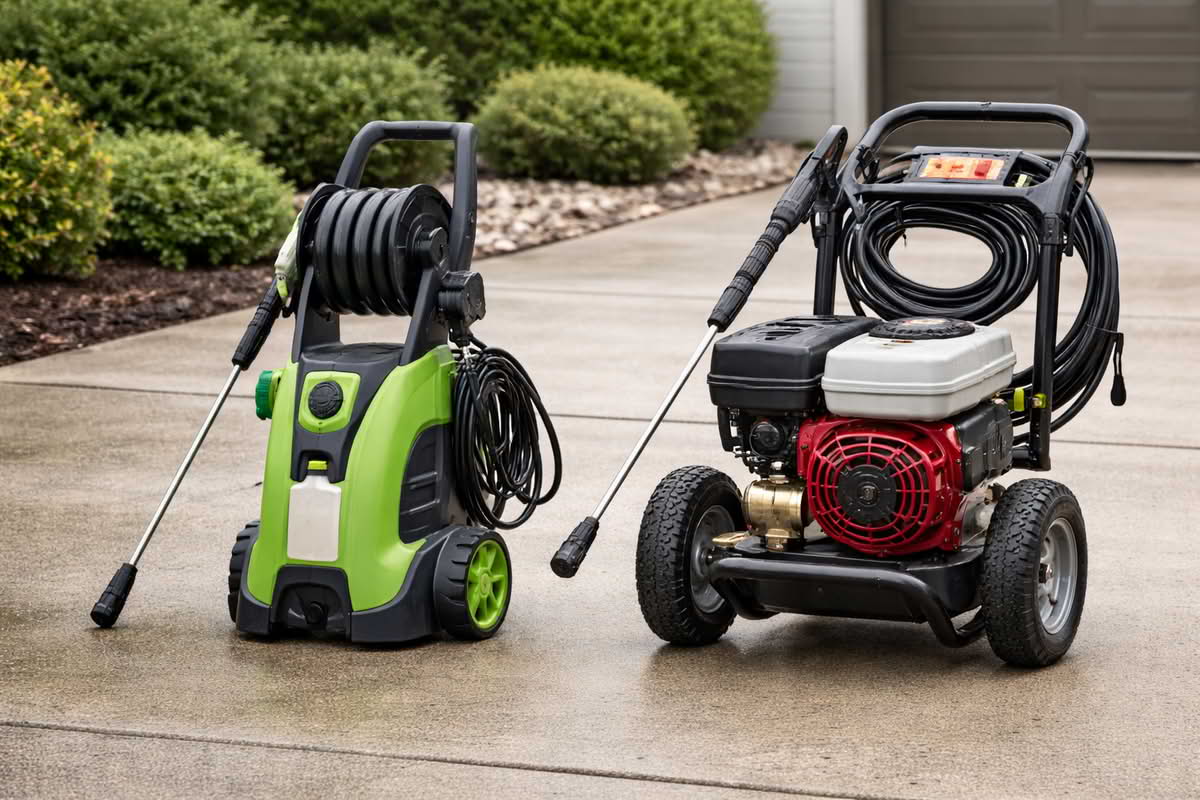
Electric pressure washers tend to be smaller and quieter, while gas-powered machines are larger and designed for heavier workloads.
Gas pressure washers provide significantly more power and mobility because they are not limited by electrical cords. This makes them better suited for large properties, frequent use, or demanding cleaning tasks like long driveways or heavily stained concrete.
Electric washers are quieter and easier for occasional use.
Gas washers provide higher pressure and longer operating range.
Electric units require nearby power outlets.
Gas units require fuel, oil checks, and periodic engine maintenance.
Many homeowners initially assume they need maximum power, but for most routine outdoor cleaning tasks, electric washers provide enough performance while being simpler to store and operate.
Important Features and Accessories
Beyond raw power specifications, several design features can significantly influence usability. These details often determine whether a pressure washer feels convenient to use or frustrating during longer cleaning sessions.
Hose length is one of the most overlooked features. Short hoses require frequent repositioning of the machine, which slows down large cleaning projects. Longer hoses provide greater flexibility and allow users to work around vehicles, fences, and patios more easily.
Adjustable spray tips allow quick changes between cleaning tasks.
Surface cleaner attachments are also worth considering for large flat areas like driveways or patios. These circular attachments distribute water through rotating spray arms, dramatically improving cleaning efficiency while reducing streaking.
While accessories may seem like minor additions, they often influence the practical effectiveness of the machine more than raw pressure ratings alone.
Matching Pressure Washers to Common Cleaning Tasks
The best pressure washer depends largely on what surfaces you plan to clean most often. Different materials respond very differently to high-pressure water streams, and using excessive pressure can damage surfaces or force water into structural joints.
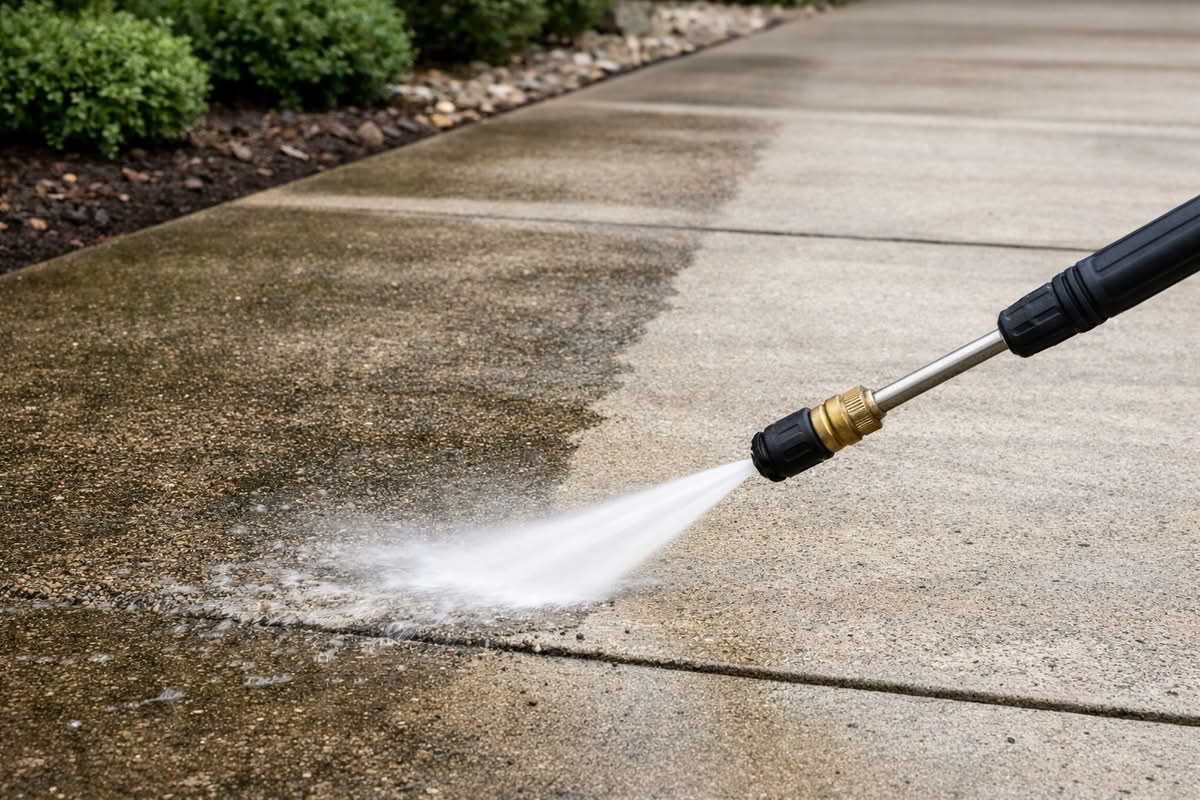
Concrete surfaces typically require higher pressure settings compared with wood decks or painted materials.
Wood decks, for example, require careful pressure control. Too much force can gouge the wood surface or create uneven patterns. Concrete surfaces are far more durable and typically require stronger pressure to remove embedded stains.
Patios and outdoor furniture: lower pressure and wide spray patterns.
Wood decks and fences: moderate pressure with careful technique.
Concrete and stone: higher pressure for embedded dirt and algae.
Vehicles: very low pressure with soap attachments.
Matching machine capability to typical cleaning tasks helps prevent unnecessary wear on both equipment and outdoor surfaces. A slightly smaller washer used correctly often produces better results than an oversized machine used carelessly.
Final Recommendation: Choosing the Right Approach
Selecting a pressure washer is less about finding the most powerful machine and more about matching performance to the type of cleaning you expect to do regularly. Pressure, water flow, portability, and ease of use all influence how practical the equipment will feel once it becomes part of your home maintenance routine.
For homeowners who primarily clean small patios, outdoor furniture, and occasional deck surfaces, compact electric pressure washers usually provide enough performance while remaining quiet, lightweight, and easy to store. They minimize maintenance and are often the most practical option for seasonal use.
Properties with larger driveways, long fences, or frequent outdoor cleaning tasks may benefit from gas-powered machines. These models provide stronger pressure and greater mobility, which helps when cleaning large areas without constant repositioning.
If your cleaning tasks vary widely, focusing on adjustable spray nozzles and compatible accessories may be more important than chasing higher pressure numbers. The ability to safely switch between delicate surfaces and tougher materials often determines long-term satisfaction with a pressure washer.
Ultimately, the most effective pressure washer is one that balances adequate power with practical usability. Choosing equipment that fits your typical maintenance routine helps ensure that outdoor cleaning becomes a manageable task rather than a frustrating or time-consuming chore.