Hedge Trimmer Buying Guide: Choosing the Right Tool for Clean, Controlled Cuts
Hedges and shrubs can quickly become overgrown without regular trimming, yet choosing the right hedge trimmer is less straightforward than many homeowners expect. Blade length, tooth spacing, power systems, and weight all influence how effectively a trimmer handles different types of vegetation. Many buyers assume any hedge trimmer will work for their yard, only to discover later that dense branches, tall hedges, or awkward angles make trimming difficult. This guide explains how hedge trimmer designs differ in real-world use and helps you evaluate the features that matter most when maintaining shrubs, hedges, and ornamental landscaping.
Understanding the Main Types of Hedge Trimmers
Hedge trimmers may appear similar at first glance, but they are designed for very different trimming tasks. The shape of your hedges, their height, and the thickness of branches all influence which type of trimmer will feel efficient versus frustrating.
Most residential tools fall into three primary categories. Each design prioritizes a different balance between reach, maneuverability, and cutting power.
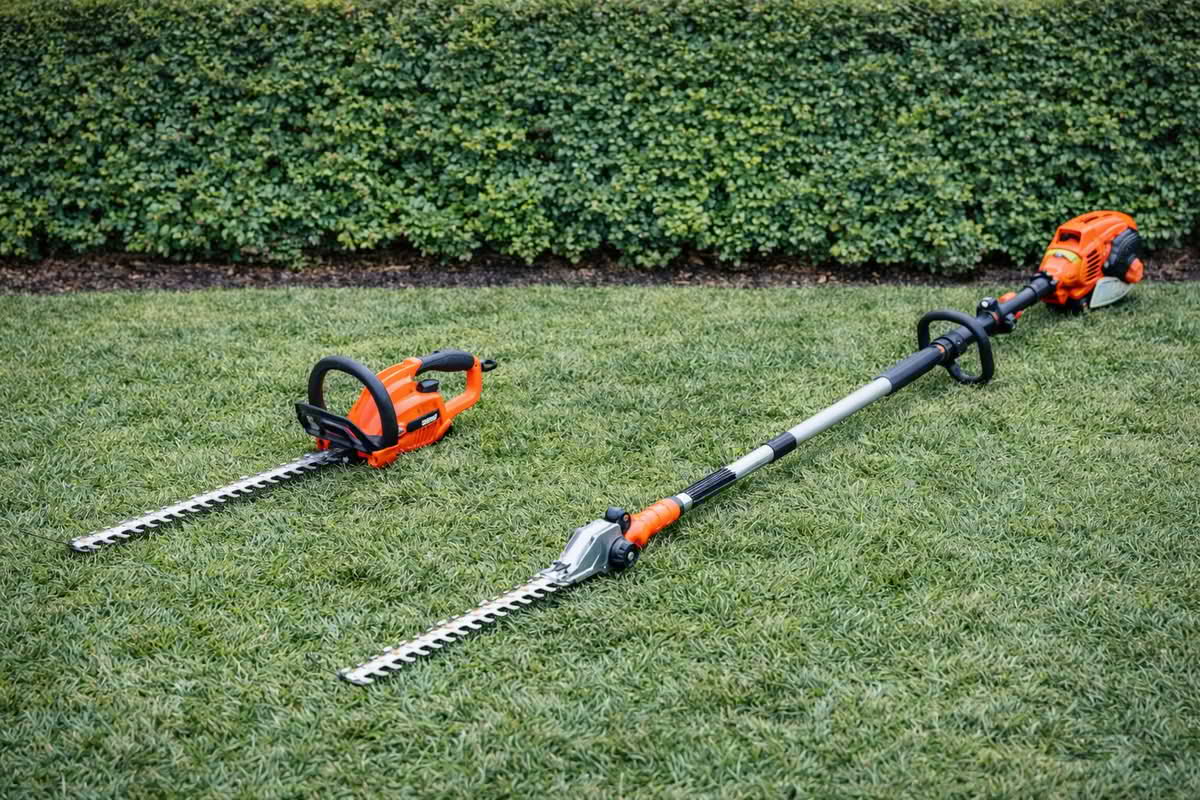
Standard hedge trimmers – handheld tools designed for shaping and maintaining hedges at chest height.
Pole hedge trimmers – extended tools used to trim tall hedges without ladders.
Articulating trimmers – adjustable heads that allow trimming at multiple angles.
Standard hedge trimmers are the most common option for residential landscaping. They work well for routine maintenance, allowing homeowners to shape hedges, boxwoods, and decorative shrubs.
Hedge trimmers come in several configurations designed for different landscaping situations, including handheld models and extended pole trimmers for tall hedges.
Pole trimmers extend the reach of the cutting blades, allowing users to trim tall hedges or shrubs without climbing a ladder. This added reach improves safety but often increases tool weight and reduces maneuverability.
Articulating models add flexibility by allowing the blade to pivot. This design helps when trimming hedge tops or shaping curved ornamental shrubs, though the additional joints can make the tool heavier and more complex.
Gas, Battery, and Electric Power Systems
Hedge trimmers are available with several different power systems, each offering advantages depending on yard size and maintenance preferences. In the past, gas engines were common for demanding trimming tasks, but modern battery systems have expanded the range of practical options.
Selecting the right power system often comes down to balancing convenience, run time, and cutting strength.
Gas-powered trimmers – high cutting power and long run time but require fuel management and maintenance.
Battery-powered trimmers – quieter and easier to start, with less maintenance.
Corded electric trimmers – lightweight and simple but limited by extension cord reach.
Gas trimmers remain useful for properties with extensive hedging or thick woody growth. However, they are heavier and produce more vibration, which can make long trimming sessions tiring.
Battery-powered models have become increasingly capable. For many homeowners with moderate trimming needs, they provide sufficient power while eliminating the complexity of fuel storage and engine maintenance.
Corded electric trimmers are typically the lightest option, but their usefulness depends heavily on yard layout. Extension cords can limit mobility and may become inconvenient when trimming large areas.
Blade Length, Tooth Spacing, and Cutting Capacity
One of the most important design differences between hedge trimmers lies in the blade system. Blade length, tooth spacing, and blade speed all influence how effectively a trimmer handles various hedge types.
Longer blades cover more surface area in each pass, which can improve efficiency when trimming long hedge rows. However, longer blades are also harder to control in tight spaces.
16–18 inch blades – compact and easier to maneuver.
20–24 inch blades – balanced option for most residential hedges.
26+ inch blades – designed for professional landscaping tasks.
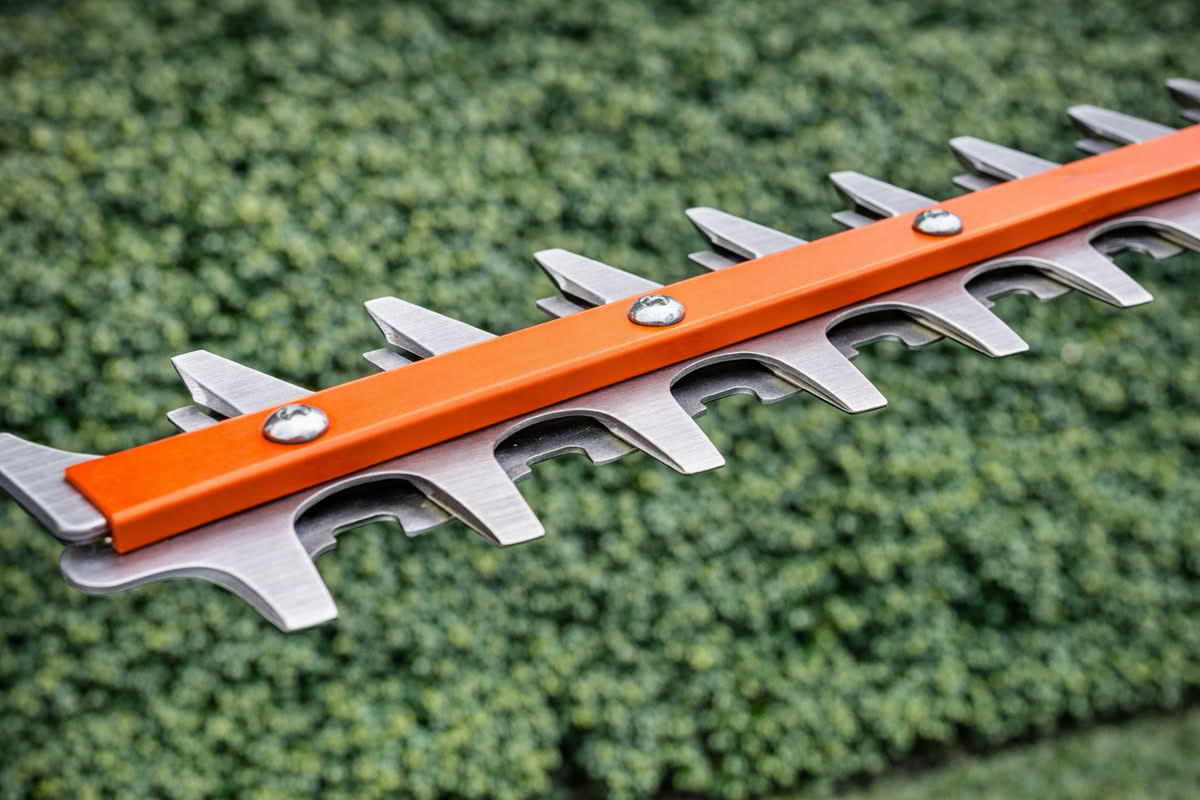
Tooth spacing determines the maximum branch thickness a trimmer can handle. Wider spacing allows thicker stems to enter the blade channel, increasing cutting capacity.
The spacing between blade teeth determines how thick a branch the hedge trimmer can cut effectively.
However, larger tooth gaps may reduce precision when shaping delicate ornamental hedges. As a result, trimmers designed for heavy cutting often sacrifice the fine control needed for decorative trimming.
Weight, Balance, and Ergonomic Design
Hedge trimming often involves extended periods of holding a tool at shoulder or chest height. Because of this, ergonomics play a major role in overall usability.
Even a powerful trimmer can become frustrating if it feels awkward or tiring to hold. Balance, grip design, and handle placement all contribute to how comfortable the tool feels during use.
Lightweight tools reduce fatigue during longer trimming sessions.
Rotating rear handles help maintain natural wrist positions.
Well-balanced designs distribute weight between the handles.
Weight becomes particularly important when trimming tall hedges or working above shoulder height. In these situations, lighter battery or corded models often provide better control than heavier gas-powered machines.
Another ergonomic factor is vibration. Gas engines and powerful cutting systems can create noticeable vibration during operation, which may lead to hand fatigue over time. Anti-vibration designs and rubberized grips help reduce this effect.
Maintenance, Durability, and Long-Term Ownership
Like all lawn equipment, hedge trimmers require periodic maintenance to maintain performance and safety. The complexity of this maintenance varies depending on the tool’s power system and blade design.
Blade care is one of the most important aspects of hedge trimmer maintenance. Sharp blades produce cleaner cuts that reduce stress on plants and improve overall trimming efficiency.
Regular blade cleaning prevents sap buildup.
Lubrication reduces friction between cutting blades.
Periodic sharpening restores cutting performance.
Gas-powered trimmers require additional engine-related maintenance such as fuel management, spark plug replacement, and air filter cleaning. While these tasks are manageable, they add complexity compared with electric or battery tools.
Battery-powered trimmers simplify maintenance but introduce battery lifecycle considerations. Over several years of use, batteries gradually lose capacity and may require replacement.
For most homeowners, the ideal hedge trimmer is one that balances cutting performance with manageable upkeep. A tool that is easy to maintain is more likely to remain reliable over many seasons of use.
Final Recommendation: Choosing the Right Approach
Choosing the right hedge trimmer ultimately depends on the size and style of landscaping you maintain. While many tools appear similar, differences in blade design, power system, and ergonomics can significantly affect trimming efficiency.
Several common landscaping scenarios help clarify which type of trimmer works best.
Small decorative hedges – lightweight battery or corded trimmers provide precision and easy handling.
Medium hedge rows – standard handheld trimmers with 20–24 inch blades offer a balanced combination of reach and control.
Tall privacy hedges – pole or articulating trimmers allow safe trimming without ladders.
Over the long term, the most effective hedge maintenance strategy focuses on regular trimming rather than occasional heavy cutting. A trimmer that is comfortable and convenient to use encourages consistent upkeep, which keeps hedges healthier and easier to shape.
By choosing a hedge trimmer that aligns with the size and structure of your landscaping, you can maintain clean hedge lines and balanced growth without turning routine trimming into an exhausting task.