Lawn Fertilizer Guide: How to Feed Your Lawn for Health and Longevity
Fertilizing a lawn is more than a routine chore; it’s a strategic step in maintaining turf health, density, and resilience. Many homeowners either overapply fertilizer, underapply it, or choose formulations that don’t suit their grass type or local soil conditions. Missteps can lead to burned turf, excessive growth, or nutrient imbalances that weaken the lawn over time. This guide explains the principles behind lawn fertilization, how to select the right nutrients, and the timing and application methods that maximize turf health while minimizing long-term problems.
Understanding Lawn Nutrients
Fertilizers supply the essential nutrients that grass needs to grow strong and resist stress. The three primary nutrients are nitrogen (N), phosphorus (P), and potassium (K), often listed in an N-P-K ratio on fertilizer packaging. Each nutrient serves a specific function:
Nitrogen (N) – Promotes leafy green growth and overall turf vigor.
Phosphorus (P) – Supports root development, particularly for new lawns or when repairing damaged areas.
Understanding your lawn’s nutrient needs is the first step in avoiding overfertilization or deficiencies. Soil tests can reveal existing nutrient levels and help guide which elements to prioritize.
Choosing the Right Fertilizer Type
Fertilizers come in two broad categories: granular and liquid. Granular fertilizers release nutrients slowly and are easier for homeowners to apply to larger lawns. Liquid fertilizers act faster and are often used for targeted applications or to correct visible deficiencies.
Another consideration is whether to use a slow-release or quick-release formulation. Slow-release fertilizers provide a steady supply of nutrients over weeks or months, reducing the risk of burning and promoting steady growth. Quick-release fertilizers act immediately but may require more frequent application.
Granular, slow-release – Ideal for routine feeding and long-term lawn health.
Granular, quick-release – Useful for rapid growth or color improvement before events.
Liquid fertilizers – Best for targeted problem areas or rapid nutrient correction.
Organic options – Supply nutrients gradually while improving soil structure.
Selecting the right fertilizer type depends on your lawn’s condition, maintenance goals, and capacity to apply nutrients at the proper intervals.
Timing and Application Strategies
Fertilizer timing is critical for optimal turf performance. Applying fertilizer at the wrong time can encourage excessive growth, reduce stress tolerance, or even harm the grass. Seasonal scheduling aligns nutrient availability with grass growth cycles.
Spring: Provide nitrogen to encourage early growth and recovery from winter stress.
Summer: Apply potassium-focused fertilizers to improve drought and heat tolerance.
Fall: Fertilize to strengthen roots and prepare turf for winter dormancy.
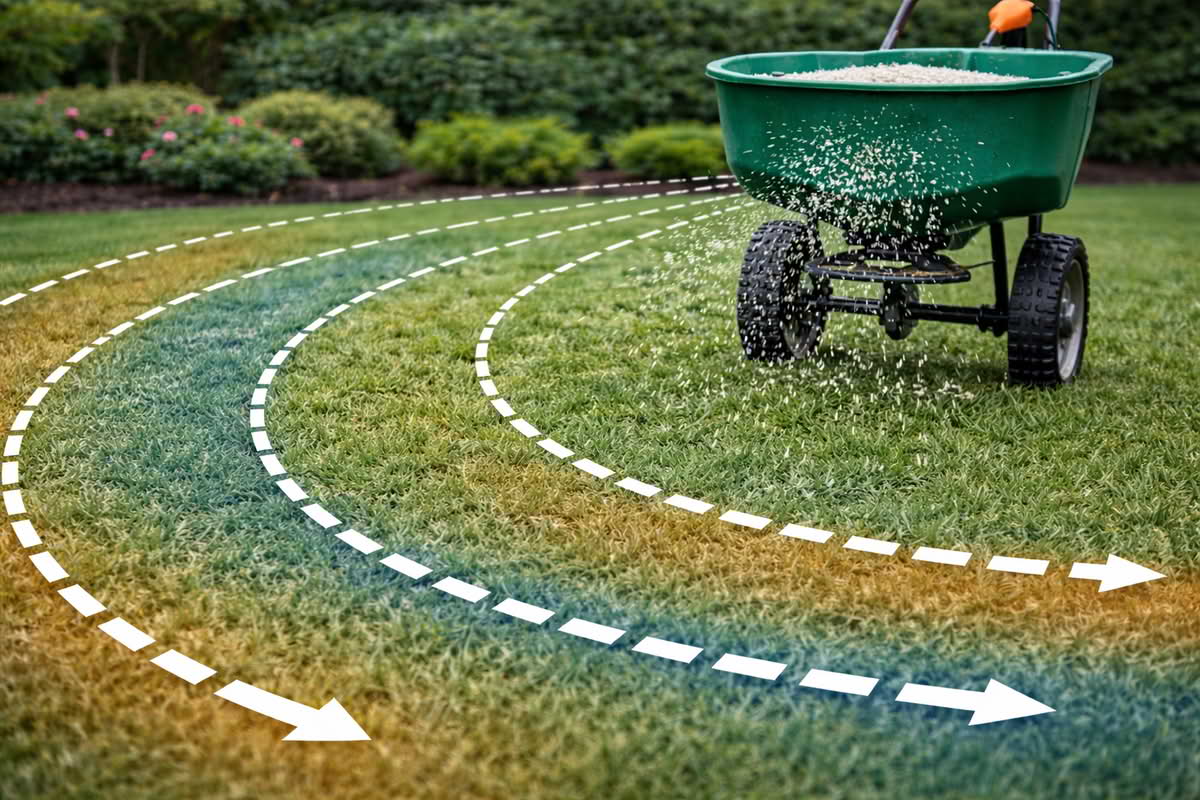
Uniform application prevents over-concentration in specific areas, which can cause uneven growth or burning. Using a spreader or following precise measurement guidelines ensures the lawn receives the correct amount.
Even distribution of fertilizer prevents concentrated nutrient zones that can damage the lawn.
Common Fertilization Mistakes to Avoid
Mistakes in fertilization are surprisingly common and can undermine lawn health. Over-application is one of the most frequent errors, often leading to burned turf, excessive growth requiring frequent mowing, and nutrient runoff that harms the environment.
Applying fertilizer too frequently or in too high quantities.
Using the wrong N-P-K ratio for the grass type or season.
Fertilizing during drought or extreme heat.
Neglecting soil testing before application.
Recognizing these pitfalls helps homeowners adjust their approach and avoid wasting both time and resources while protecting long-term turf health.
Monitoring Lawn Response and Adjusting
After fertilizing, it’s important to observe how your lawn responds. Healthy lawns should show gradual improvement in color, density, and resilience. Uneven or patchy results can indicate missed areas, soil issues, or an incorrect nutrient balance.
Assess turf color and growth over a few weeks.
Note any areas of excessive growth or discoloration.
Adjust fertilizer type or application rate for the next cycle.
Combine observations with seasonal maintenance practices like aeration or overseeding.
Regular monitoring ensures fertilization contributes to long-term lawn health rather than producing temporary aesthetic effects at the expense of structural resilience.
Final Recommendation: Selecting the Best Approach
The right fertilization approach depends on lawn condition, grass type, and local climate. Lawns with healthy density may benefit from slow-release, granular fertilizers applied according to seasonal growth cycles. Newer or thinner lawns often require a combination of phosphorus for root development and nitrogen for leafy growth.
Homeowners seeking minimal maintenance may favor slow-release or organic fertilizers that provide steady nutrients without frequent applications. Those aiming for rapid improvements in appearance or quick recovery after stress may incorporate targeted quick-release products selectively.
Avoiding over-application and timing feedings with growth cycles ensures that turf gains strength without risk of burning or excessive growth. Regular observation and adjustment allow homeowners to fine-tune their approach season after season.
Over time, consistent and well-planned fertilization helps build dense, resilient turf that withstands stress, reduces weed invasion, and maintains both functional and aesthetic quality, forming the foundation of a healthy long-term lawn.