Pergolas vs Gazebos: Understanding Garden Shade Structures
Adding a structure to your garden can transform an open yard into a comfortable outdoor living space, but many homeowners struggle to choose between pergolas and gazebos. The two structures are often confused because both provide shade and visual interest, yet they serve different purposes in design, shelter, and long-term usability. A pergola typically creates a light architectural framework that defines space, while a gazebo functions more like a fully sheltered outdoor room. This guide explains how these structures differ, how they affect garden design, and how to decide which type works best for your space, climate, and long-term plans.
Understanding Pergolas and Gazebos
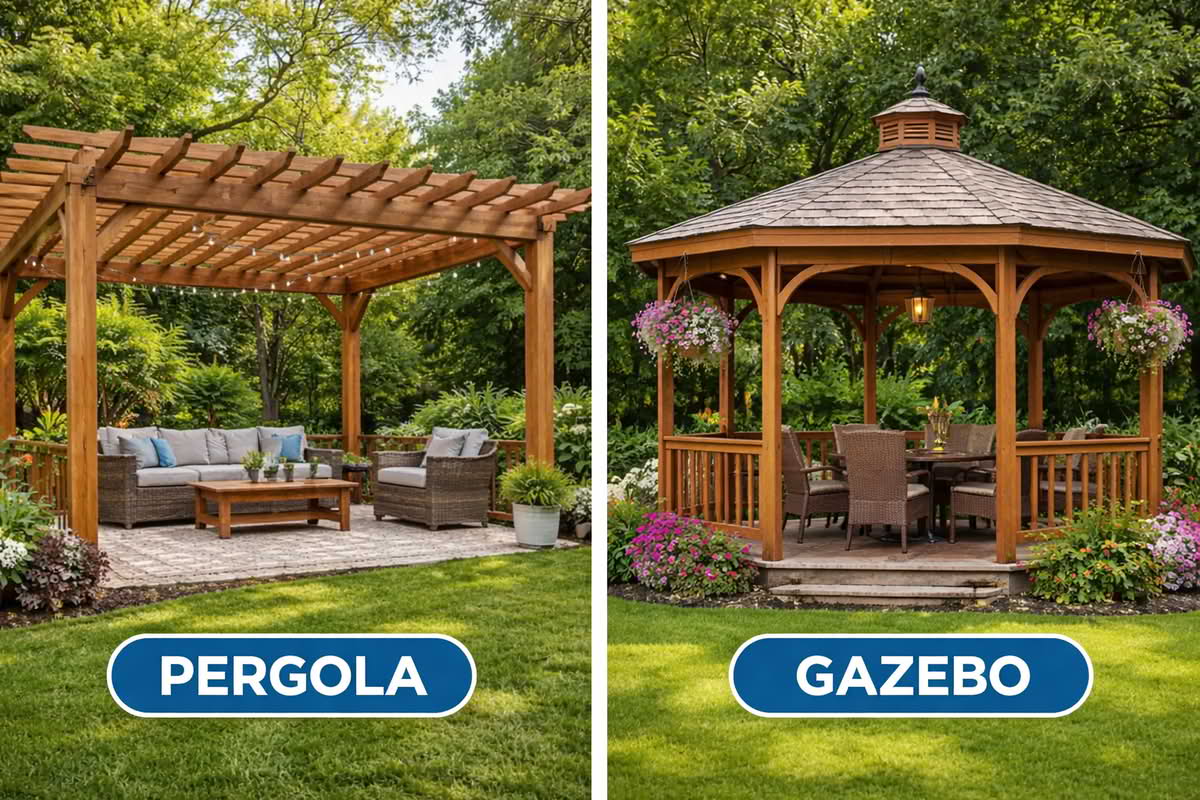
Pergolas and gazebos are both outdoor structures designed to create defined spaces in a garden, patio, or backyard. Despite their similar appearance in photos, they function quite differently in practice. A pergola typically consists of vertical posts supporting an open lattice or slatted roof. The structure provides partial shade while still allowing sunlight and airflow to pass through. Gazebos, by contrast, have solid roofs and often include railings or partial walls, creating a more enclosed space.
These structural differences affect how each structure is used. Pergolas tend to define outdoor dining or lounging areas without fully blocking the sky. Gazebos are better suited to spaces where consistent shelter from sun or light rain is important.
Pergolas emphasize openness and architectural framing.
Gazebos emphasize shelter and defined gathering space.
Pergolas often attach to patios or extend from homes.
Gazebos usually function as standalone garden structures.
Pergolas create partial shade through an open roof structure, while gazebos provide full overhead coverage with a solid roof.
One common mistake is assuming that pergolas provide complete sun protection. In reality, their shade depends on the angle of the sun and the spacing of the beams. Homeowners who want reliable midday shade may need to add fabric covers, climbing plants, or retractable canopies.
Shade, Shelter, and Weather Protection
The most important practical difference between pergolas and gazebos is the level of protection they provide from sun and weather. Pergolas offer partial shade but remain open to rain and changing sunlight throughout the day. Gazebos, with their solid roofs, function more like outdoor rooms that provide dependable shelter.
This difference can significantly influence how often the structure gets used. A pergola may be perfect for evening gatherings when temperatures are mild, but a gazebo can be comfortable during midday sun or light rain.
Pergolas provide filtered shade rather than full coverage.
Gazebos protect seating areas from rain and direct sunlight.
Pergolas rely on accessories like vines, curtains, or shade cloth for additional protection.
Gazebos offer predictable shelter without modification.
Climate also plays an important role in deciding between the two. In hot regions with intense sunlight, homeowners often appreciate the stronger shade provided by a gazebo. In cooler climates where sunlight is welcome, a pergola can provide structure without blocking too much warmth or light.
Materials and Construction Considerations
Outdoor structures must withstand weather, seasonal changes, and long-term exposure to moisture and sunlight. The materials used for pergolas and gazebos influence not only their durability but also their maintenance requirements.
Wood offers natural appearance but requires periodic sealing or staining.
Aluminum structures resist rust and require minimal maintenance.
Vinyl structures resist moisture and insect damage.
Steel frames provide strength but may require corrosion protection.
Pergolas are often simpler to build because their open roof structure requires fewer materials. Gazebos typically involve more complex construction due to their roof framing and structural stability requirements.
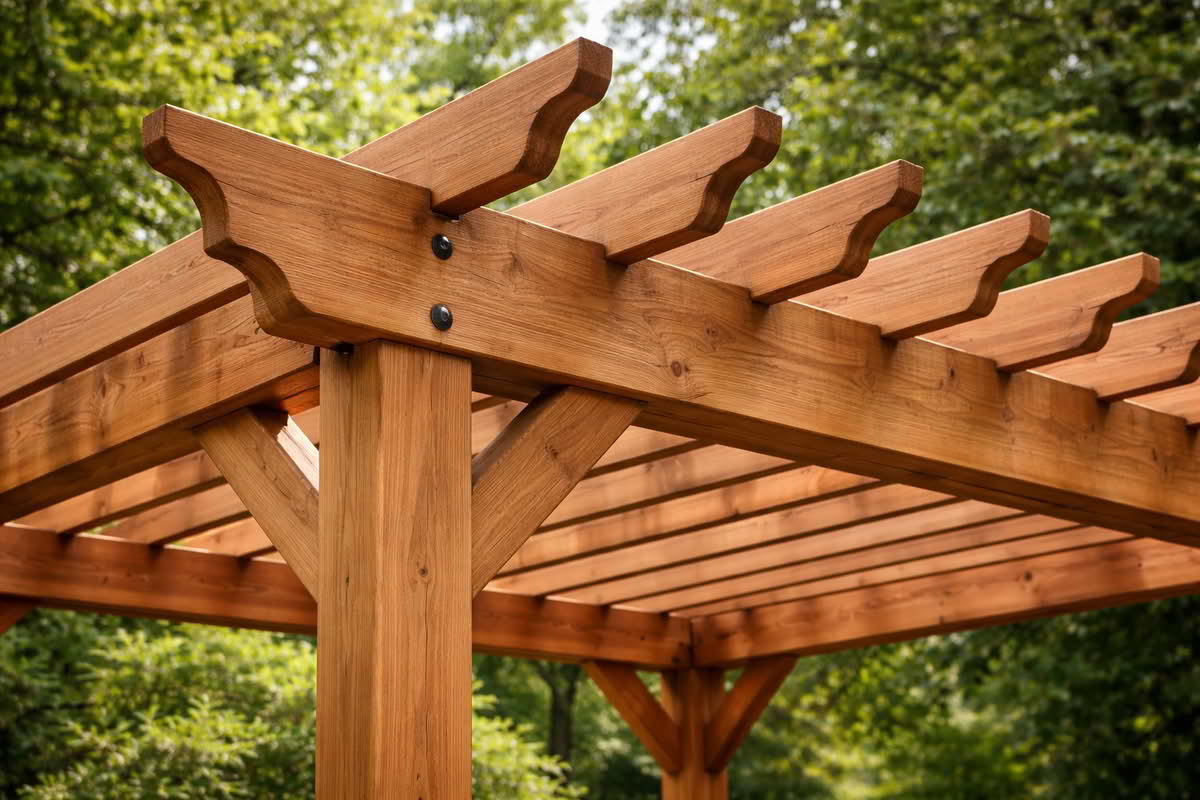
Pergolas rely on horizontal beams and rafters to create shade patterns while maintaining an open structure.
Another factor to consider is installation complexity. A small pergola can sometimes be assembled as a weekend project, while a gazebo may require more careful planning, foundation preparation, and structural anchoring.
Design and Landscape Integration
Garden structures often serve both functional and aesthetic purposes. A pergola or gazebo can anchor a garden design, frame a pathway, or create a focal point within a larger landscape plan.
Pergolas are especially effective for visually connecting different parts of a garden. Because they are open and linear, they can guide movement between spaces or define outdoor dining areas without making the yard feel closed in.
Pergolas work well over patios, walkways, or garden seating areas.
Gazebos function as central gathering points in larger yards.
Pergolas integrate easily with climbing plants and vines.
Gazebos create a strong architectural centerpiece.
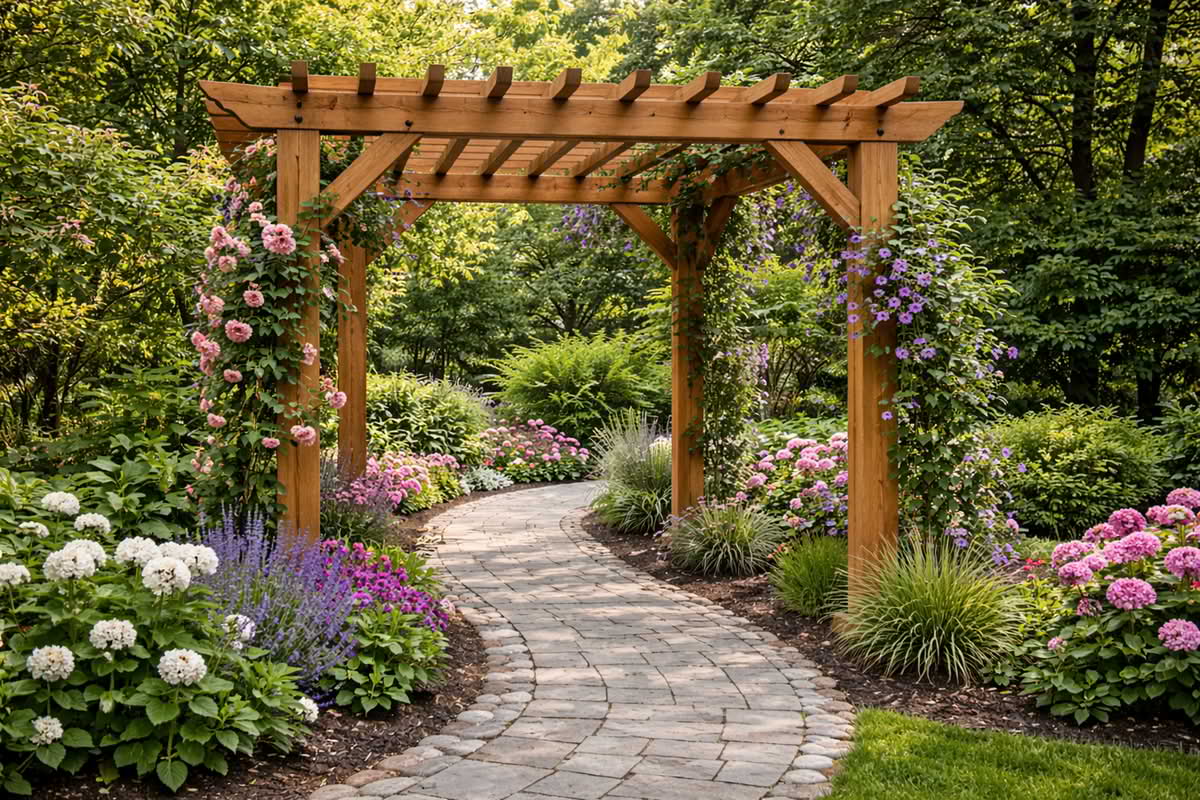
Pergolas are often used to frame garden paths or patios, helping organize outdoor spaces while supporting climbing plants.
One design mistake is installing a large structure in a small yard. Gazebos can feel visually heavy in compact spaces, while pergolas tend to maintain a lighter appearance that blends more easily with surrounding landscaping.
Cost, Maintenance, and Long-Term Value
Budget considerations often influence the decision between pergolas and gazebos. Pergolas generally cost less because they use fewer materials and simpler roofing structures. Gazebos tend to be more expensive due to their enclosed design and weatherproof roofing.
However, cost alone should not determine the decision. The structure that fits your lifestyle and climate will often deliver better long-term value than the one that is cheapest upfront.
Pergolas are usually more affordable to build or install.
Gazebos often require stronger foundations and roofing materials.
Wood structures may need periodic maintenance to prevent weather damage.
Metal or vinyl structures reduce ongoing upkeep.
Maintenance planning is another factor that homeowners sometimes overlook. Structures exposed to rain, sun, and temperature changes will require periodic inspection and occasional repairs. Choosing durable materials can significantly reduce the effort required to keep the structure looking good over time.
Final Recommendation: Choosing the Right Approach
Selecting between a pergola and a gazebo ultimately depends on how you want to use your outdoor space. Both structures can enhance a garden, but they support different styles of outdoor living.
For light shade and visual structure: A pergola works well when the goal is to define a seating or dining area without blocking the sky.
For reliable shelter: A gazebo is better when protection from sun and light rain is a priority.
For smaller yards: Pergolas usually integrate more easily without overwhelming the space.
For central gathering areas: Gazebos create a distinct destination within a larger garden.
In the long run, the best structure is the one that matches both your climate and how you plan to use your yard. A pergola often excels as a flexible design element that evolves with landscaping and plants, while a gazebo provides a permanent outdoor retreat that can be enjoyed regardless of the weather. Understanding these differences helps ensure that the structure you choose enhances your outdoor space for years to come.