Garden Shed Buying Guide: Choosing the Right Storage Structure
Garden sheds seem like simple structures, yet many homeowners discover after installation that their shed is too small, poorly placed, or difficult to maintain. The decision is often treated as a quick purchase rather than a long-term storage solution for tools, equipment, and seasonal supplies. Factors such as material durability, internal layout, site preparation, and future storage needs can dramatically affect how useful the structure becomes over time. This guide explains the key considerations involved in selecting a garden shed, helping you evaluate different sizes, materials, and layouts so the structure supports your gardening workflow rather than becoming an inconvenient afterthought in the yard.
Why Garden Sheds Matter in Practical Garden Planning
Garden sheds serve a deceptively important role in maintaining an organized outdoor workspace. Tools, soil bags, fertilizers, hoses, and seasonal equipment all need protected storage, and without a dedicated structure these items often end up scattered across garages, patios, or corners of the yard. A well-designed shed centralizes these materials and makes routine gardening tasks easier.
The real benefit of a shed becomes apparent over time. When tools are stored in a predictable location and protected from weather exposure, maintenance becomes easier and equipment tends to last longer.
Protects tools from rain, sun exposure, and rust.
Centralizes garden supplies in one convenient location.
Improves workflow for planting, pruning, and yard maintenance.
Reduces clutter around patios and outdoor living spaces.
One common mistake is purchasing a shed based only on available yard space. Storage needs tend to expand as gardens grow, so planning slightly ahead of current needs usually results in a more practical long-term structure.
Shed Size and Storage Planning
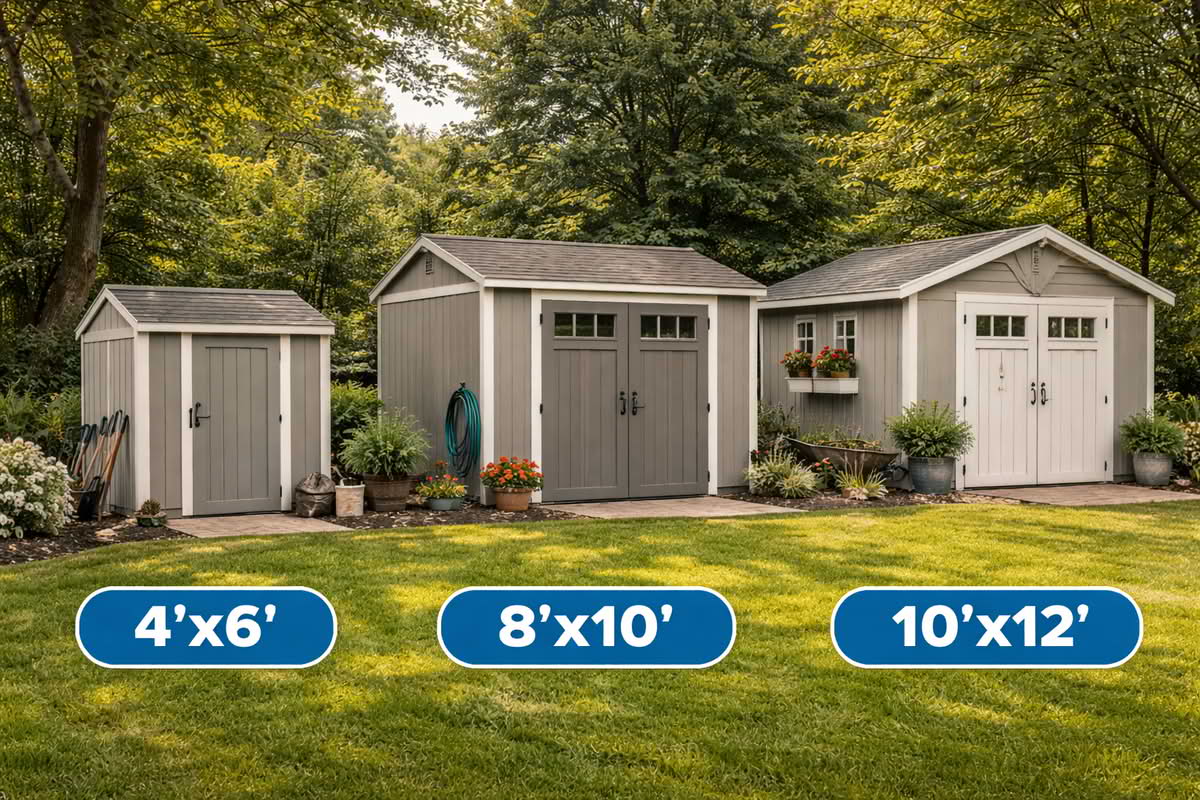
Shed size is one of the most important decisions in the buying process. A structure that is too small quickly becomes cluttered, making tools difficult to access and discouraging consistent organization. At the same time, an oversized shed may dominate a small yard visually and require more foundation work.
A helpful way to evaluate size is to consider both current equipment and likely future additions. Lawn tools, wheelbarrows, potting tables, and seasonal furniture storage can quickly occupy more space than expected.
Small sheds work well for basic hand tools and compact storage.
Medium sheds allow storage of lawn equipment and larger supplies.
Larger sheds may include workbenches or potting stations.
Door width affects how easily large tools can be moved in and out.
Garden sheds range from compact tool lockers to full walk-in storage buildings designed to accommodate larger equipment.
Another factor to consider is internal headroom. Taller sheds allow shelving, hanging storage systems, and vertical organization, which can dramatically increase usable storage capacity without increasing the footprint of the structure.
Shed Materials and Long-Term Durability
The materials used in a garden shed determine how well the structure holds up against weather, moisture, and long-term outdoor exposure. Each material option offers different tradeoffs between appearance, maintenance requirements, and durability.
Wood sheds: natural appearance that blends with landscaping but requires sealing or painting over time.
Metal sheds: strong and durable but can become hot in direct sunlight.
Resin or plastic sheds: low maintenance and resistant to rot and insects.
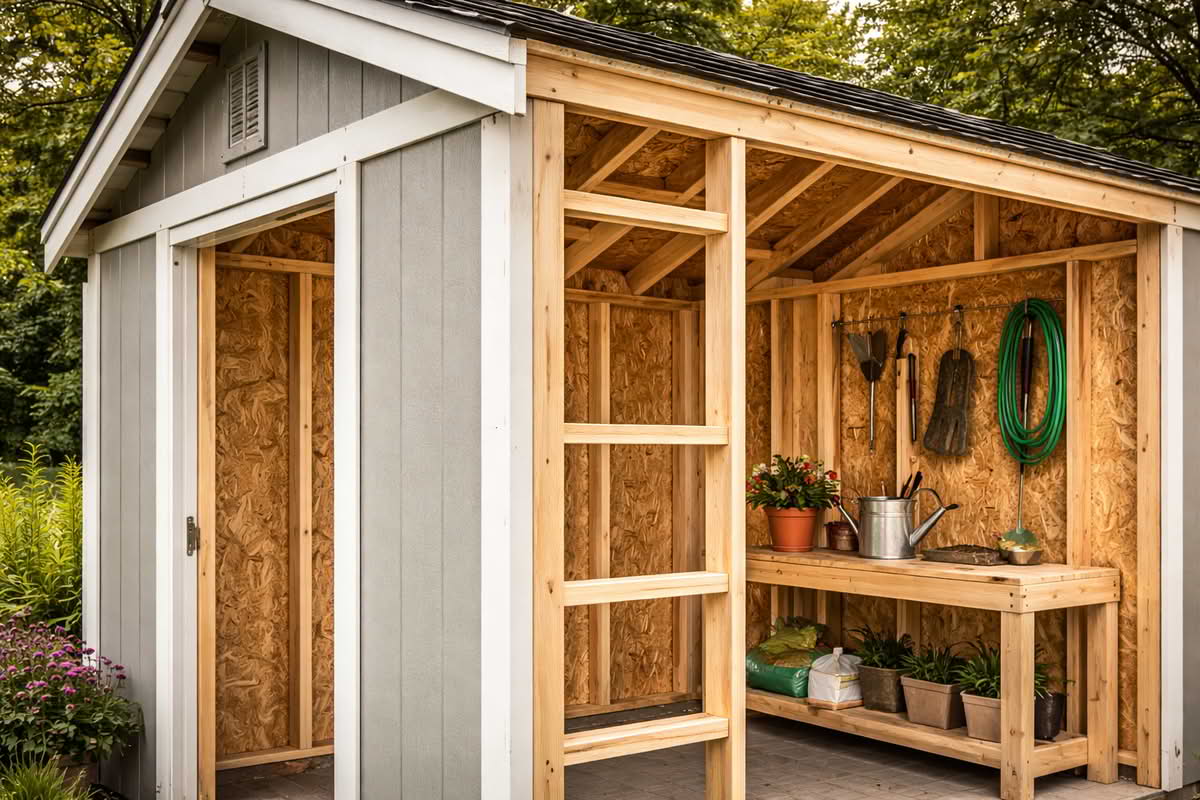
Wood sheds are often chosen for their visual appeal and flexibility in customization. Shelves, hooks, and interior modifications are typically easier to install in wood structures compared to metal or molded materials.
Wood sheds offer a traditional look and allow easy interior customization for shelves, tool racks, and work surfaces.
Maintenance expectations should be considered before choosing a material. While wood structures may require periodic sealing or repainting, metal and resin sheds usually require only occasional cleaning.
Foundation and Site Preparation
A garden shed is only as stable as the surface beneath it. Without a proper base, sheds can shift, settle unevenly, or allow moisture to accumulate underneath the structure. Over time, this can lead to door misalignment, floor damage, or structural wear.
Preparing the site before installation helps prevent these problems and improves long-term durability.
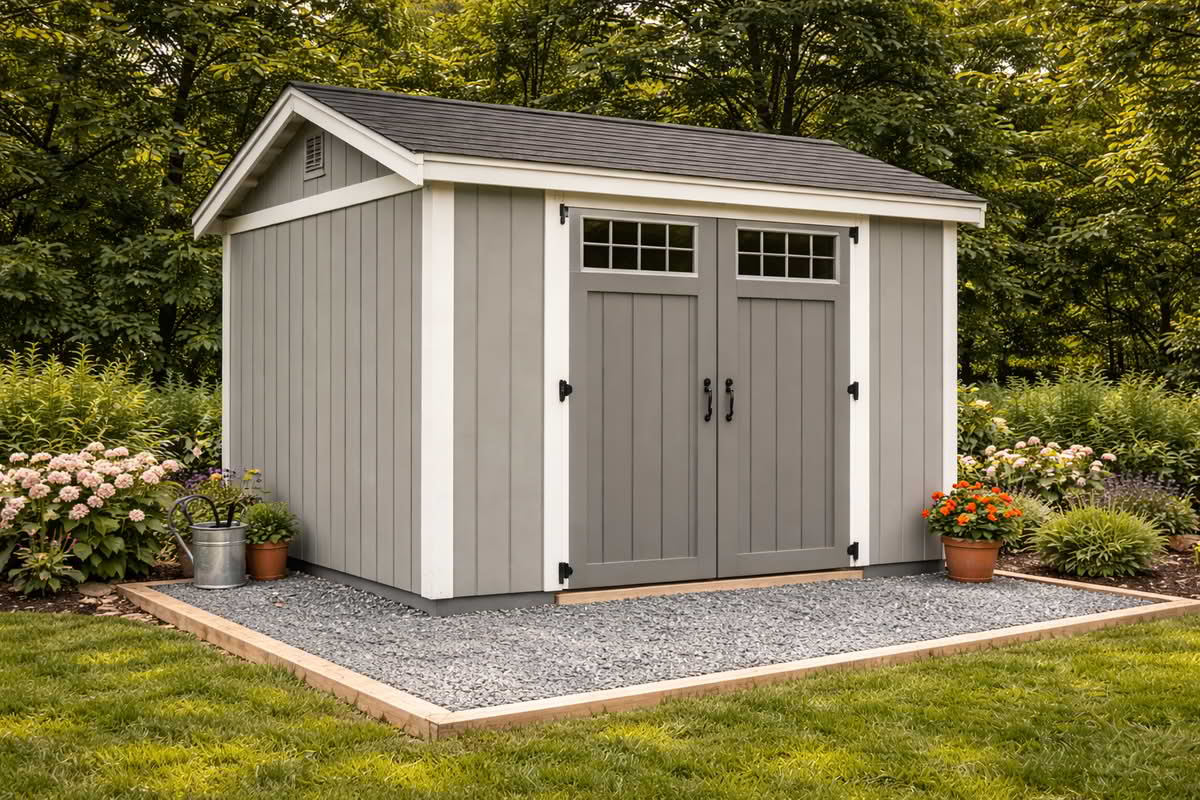
Gravel bases improve drainage and help stabilize the structure.
Concrete pads create a durable, permanent foundation.
Paver bases offer a balance between stability and easier installation.
Level ground prevents structural stress and door alignment issues.
A compacted gravel base improves drainage and provides a stable foundation for many garden shed installations.
Drainage is another factor that homeowners sometimes overlook. Placing a shed in a low area of the yard may allow water to collect around the structure during heavy rain, potentially shortening its lifespan.
Organization, Layout, and Access
A shed functions best when the interior layout supports easy access to frequently used tools. Without thoughtful organization, even a large shed can become cluttered and difficult to use.
Many gardeners benefit from combining vertical storage with open floor space for larger equipment.
Wall-mounted racks keep tools visible and accessible.
Shelving systems help organize small supplies.
Hooks or pegboards support flexible storage layouts.
Wide doors allow easy movement of lawn equipment.
Lighting is another consideration for sheds used frequently. Even simple daylight panels or windows can significantly improve visibility when organizing tools or working inside the structure.
Final Recommendation: Choosing the Right Approach
Choosing a garden shed involves more than selecting a structure that fits the yard. The most successful sheds support everyday garden tasks, protect equipment from weather, and provide flexible storage that adapts as the garden evolves.
For small gardens or minimal equipment: Compact sheds provide practical storage without dominating the yard.
For growing gardens: Medium-sized sheds offer room for tools, supplies, and seasonal storage.
For serious gardeners: Larger sheds can function as potting spaces or workshop areas.
For low-maintenance preferences: Resin or metal sheds may require less upkeep than wood structures.
In the long term, the best shed is one that simplifies garden work rather than complicating it. By planning for adequate size, durable materials, and thoughtful organization, homeowners can create a storage structure that remains useful and efficient for many years as the garden continues to grow and change.