Caulk Gun Buying Guide for Bathrooms, Trim, Windows, and Exterior Sealing
Caulk guns are often treated as simple, low-stakes tools, which is why many people end up with one that makes sealing work harder than it needs to be. A cheap frame can flex, a rough trigger can make bead control inconsistent, and poor pressure release can leave drips on tubs, trim, counters, or siding just after you thought the line was finished. The wrong gun can also turn thicker adhesives and exterior sealants into a hand-fatiguing chore, especially on longer jobs. A good caulk gun is not really about making sealant glamorous. It is about making the bead easier to control, keeping cleanup smaller, and reducing the chance that you rush the finish because the tool feels awkward. This guide explains how to choose a caulk gun based on control, thrust, cartridge compatibility, and real-world workflow so the tool matches the material and the kind of projects you are actually likely to tackle.
Control and Gun Style
The first caulk gun decision is not price. It is control. A tool that dispenses material too abruptly, continues pushing after the trigger is released, or feels unstable in the hand will make even ordinary sealing jobs more frustrating. This matters because most household caulking is visible work. Tub surrounds, kitchen backsplashes, window trim, baseboards, and exterior gaps are not forgiving places for messy beads or repeated wipe-and-redo attempts.
Basic ratchet-style caulk guns are common because they are inexpensive and easy to find. They can work adequately for occasional jobs, especially when the sealant is light and the user is patient. Their weakness is that they often feel less refined. The pressure can build in small jumps rather than smooth increments, which makes bead consistency harder to manage. On shorter jobs that may be acceptable. On longer trim runs or more visible bathroom sealing, it can lead to extra stops, excess material, and uneven lines that take longer to tool cleanly.
Dripless caulk guns usually make more sense for homeowners because they reduce the tendency of material to keep flowing after trigger release. That matters more than it first appears. Much of the mess in caulking does not come from the bead itself. It comes from the seconds after each pass, when the gun continues to ooze onto the surface or onto the user’s drop cloth, hand, or work area. A drip-reducing mechanism does not guarantee perfect results, but it makes the tool calmer and easier to manage, especially for people who do not use sealants every week.
Compact caulk guns have a narrower but useful role. They are easier to maneuver in vanity corners, cabinet interiors, tight utility spaces, and smaller punch-list repairs where a full-size tool feels awkward. The tradeoff is that some compact designs are less comfortable on larger jobs and may not offer the same leverage or stability with thicker materials. They are often best understood as precision-oriented tools rather than general all-purpose answers.
Frame rigidity matters too. A stronger frame helps the gun stay aligned when pressure increases, which is especially important with stiffer sealants and adhesives. A flimsy frame can twist slightly during use, making the cartridge feel less stable and the bead harder to place exactly where intended. Many buyers do not notice this until they move from a short repair to a long seal line where repetition magnifies every small inconsistency.
Choose drip-reducing control if you want cleaner stops and less accidental oozing between passes.
Choose compact formats for tight access and smaller repair work where maneuverability matters.
Choose a rigid frame when you expect to use thicker sealants or longer continuous beads.
Be cautious with very basic ratchet tools unless your needs are truly occasional and low-visibility.
One useful way to think about caulk gun style is to ask whether the project is more likely to fail from poor line control or from hand fatigue. For bathroom corners and finished trim, control is usually the bigger issue. For long exterior sealing runs or repeated cartridge use, both control and effort matter. A tool that feels only slightly rough in the hand at the start can become the reason the final third of the job looks rushed.
Low-regret buying in this category usually means prioritizing steadiness over minimum upfront cost. The tool does not need to be elaborate, but it does need to make controlled sealant flow easier rather than harder.
Thrust Ratio, Cartridge Fit, and Material Type
After basic tool style, the next major question is whether the gun has enough mechanical advantage for the materials you actually plan to use. This is where thrust ratio becomes important. Many buyers overlook it because it sounds technical, but in real use it determines how much force your hand needs to apply and how manageable thicker products feel during application.
Lower-thrust caulk guns are often adequate for softer household caulks and lighter sealants. They are reasonable for simple trim touch-ups, small kitchen or bath jobs, and situations where material flows easily. The benefit is that they can feel lighter and more straightforward. The drawback appears when the cartridge content is thicker, stiffer, or less cooperative in cooler conditions. Then the gun may demand much more squeezing effort than expected, which tends to reduce bead consistency and increase hand fatigue.
High-thrust guns make more sense when you expect to use denser adhesives, exterior sealants, tougher weatherproofing materials, or any product that resists smooth dispensing. The added force makes the job more manageable, but it also changes how carefully you need to work. More pushing power can help the material move, yet it can also encourage over-application if the trigger response feels too aggressive for delicate finish work. This is why higher-thrust tools are most useful when the material genuinely demands them rather than as a default for every project.
Cartridge compatibility is another practical issue. Most household caulk guns are designed around standard cartridge sizes, but fit and loading convenience still vary. A well-designed gun should make cartridge insertion straightforward, keep the tube aligned, and allow pressure release without fuss. If the rod movement feels rough or the cradle fit is awkward, the user ends up fighting the tool before the sealant even reaches the surface. That becomes more annoying on repetitive jobs where multiple cartridges are used.
Material type should drive the purchase more than project label alone. A “bathroom job” may call for relatively smooth-flowing silicone. An “exterior job” may involve thicker, stickier sealants that are less forgiving. A trim installation task may blend caulk-like finishing work with construction adhesive behavior. Buying only by room can be misleading. Buying by how the material behaves is much more reliable.
Temperature and storage conditions matter too. Some sealants flow much less easily when cool, which means a gun that feels acceptable with fresh indoor cartridges may feel underpowered in a garage, exterior setup, or colder-weather maintenance situation. A little extra mechanical advantage can make the process much more stable in those real-world conditions, especially if you are not working with ideal warmth and perfect access.
The right caulk gun depends less on brand marketing than on how well its pressure and control match the thickness and behavior of the sealant being used.
Choose standard-duty pressure for lighter caulks and shorter interior sealing jobs.
Choose higher-thrust tools for denser sealants, adhesives, and repeated exterior or weatherproofing work.
Match the gun to material behavior, not just the room where the work happens.
Look for smooth loading and pressure release because cartridge handling affects workflow more than expected.
Many disappointing caulk gun purchases come from buying a tool that is fine for one soft material and then expecting it to handle every sealant equally well. In practice, that often leads to harder squeezing, rougher starts, and bead inconsistency that gets blamed on user technique. Sometimes the technique is the problem. Often the tool and material simply were not well matched.
The long-term value question is whether you want one gun that handles typical light-duty household sealing, or a more capable model that can stretch into tougher materials without becoming exhausting. The best answer depends on how varied your home maintenance work really is.
Comfort, Cleanup, and Job Workflow
Caulk guns are hand tools, and hand tools should be judged over the length of a real task rather than the first few trigger pulls. A gun that feels acceptable at the start can become uncomfortable, messy, or tiring once you are halfway through a shower surround, a window line, or a full afternoon of exterior sealing. This is why handle shape, trigger feel, weight balance, and cleanup behavior all deserve attention.
Trigger comfort matters because caulking is repetitive. Repeated pressure with a poorly shaped or overly stiff trigger tends to reduce finesse over time. The user starts strong and accurate, then gradually rushes or over-applies material as the hand tires. For visible finish work, that decline matters. A smoother trigger and better handle support can keep the final lines closer in quality to the first ones.
Weight and balance also affect control. A heavy gun is not automatically better. Sometimes it simply becomes more tiring in overhead positions, awkward corners, or ladder work. On the other hand, an overly light but flimsy tool can feel unstable once the cartridge is under pressure. The best balance is usually a gun that feels solid without becoming cumbersome. This is especially important for window and exterior sealing, where body position is not always ideal.
Cleanup behavior is a major part of ownership. A dripless system, a clean pressure release, and a design that does not smear sealant unnecessarily around the cradle area all reduce mess between uses. That matters because caulking jobs often pause and resume. If the gun becomes irritating to set down, restart, or swap cartridges, the work rhythm suffers. A calmer tool encourages a more methodical process, which usually improves bead quality.
Workflow should also include the scale of typical household projects. If you mostly do short touch-ups, occasional tub recaulk jobs, and seasonal window sealing, a simpler but well-controlled gun is often the better answer. If you expect repeated exterior sealing, larger renovation punch lists, or multiple cartridge sessions, comfort and force reduction become more important. In that context, paying more for smoother operation and better leverage can make sense because the tool will affect how willing you are to do the job carefully.
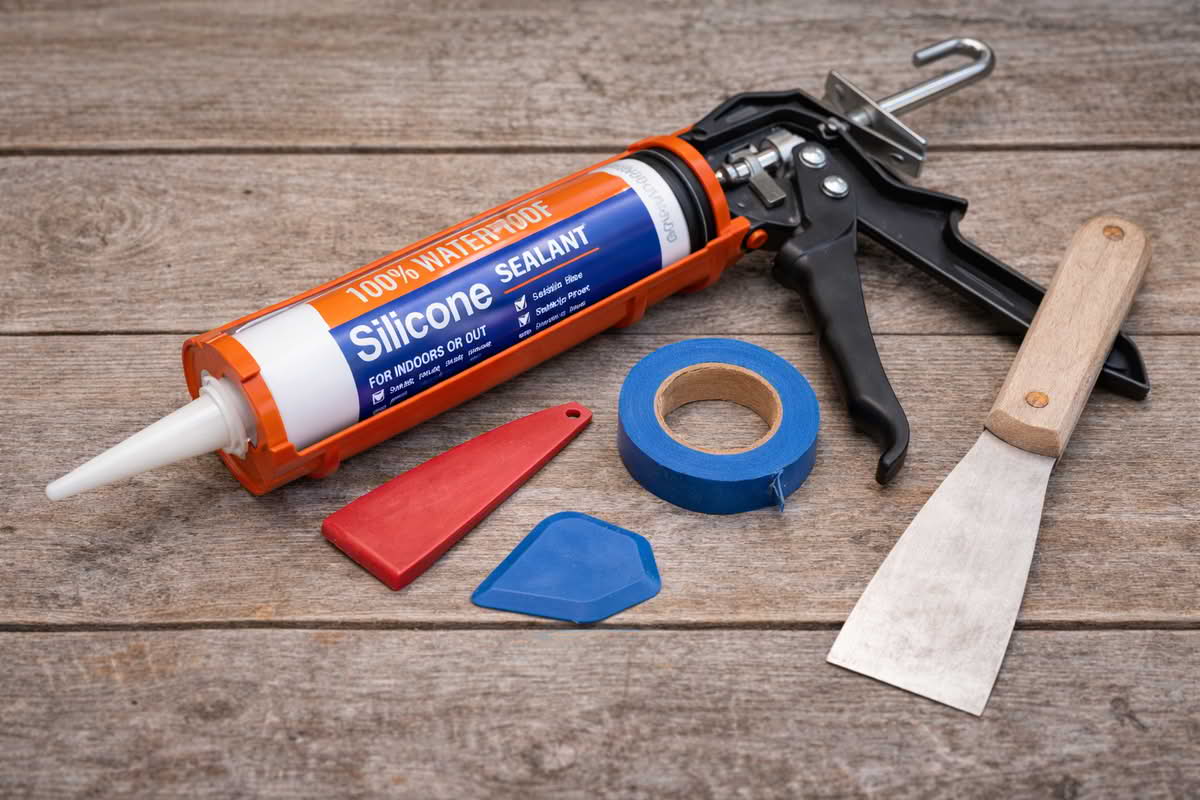
Finishing-tool kits can also influence buying decisions. Some kits pair a caulk gun with smoothing tools, cutters, or scrapers. These bundles can be useful if the included accessories are practical and of reasonable quality. But they should not distract from the gun itself. A mediocre gun bundled with tools is still a mediocre gun. The bead is created by the dispensing tool first. Finishing accessories only help after that.
Prioritize trigger comfort and balance if you expect longer sealing sessions or repeated maintenance work.
Value drip reduction and easy pressure release because most caulking mess happens between passes.
Choose a simpler, maneuverable gun for short household repairs and tight-space use.
Do not let accessory bundles outweigh the quality of the gun’s actual dispensing behavior.
Storage is part of the same picture. A gun that fits easily on a shelf, stays reasonably clean, and is simple to pick up for quick maintenance is more likely to be used before a small gap becomes a larger problem. This matters for homeowners because many sealing jobs are preventive. The best caulk gun is not just the one that performs well in a single renovation. It is the one that makes ongoing maintenance feel manageable.
In long-term use, low-regret buying usually means choosing a caulk gun that supports steadier work and calmer cleanup rather than one that simply dispenses material at the lowest possible cost. Small improvements in control, comfort, and drip behavior often matter more than buyers expect.
Final Recommendations — choosing the caulk gun that makes sealant easier to control
For most households, the safest all-around choice is a sturdy drip-reducing caulk gun that fits standard cartridges, feels comfortable over repeated trigger pulls, and offers enough control for visible interior work. Compact models make sense for tight spaces and smaller tasks, while higher-thrust guns become more worthwhile when thicker exterior sealants or adhesive-like products are part of the workflow. The key is to buy for the behavior of the material and the length of the job, not just the assumption that all caulk guns are interchangeable.
Choose a drip-reducing design first if you want cleaner stops and easier everyday use.
Choose compact formats for maneuverability in bathrooms, cabinets, and short repair zones.
Choose higher-thrust tools only when your typical sealants are thick enough to justify the extra force.
Judge the tool by control, comfort, and cleanup behavior rather than by price alone or bundled extras.
The long-term low-regret decision in this category is to treat the caulk gun as a real finish tool, not a disposable accessory. When the gun matches the material, reduces drips, and stays comfortable through the full job, the seal line is easier to place well and easier to tool neatly. That does not just improve appearance. It makes routine sealing and weatherproofing work more practical to do before small gaps become larger repairs.