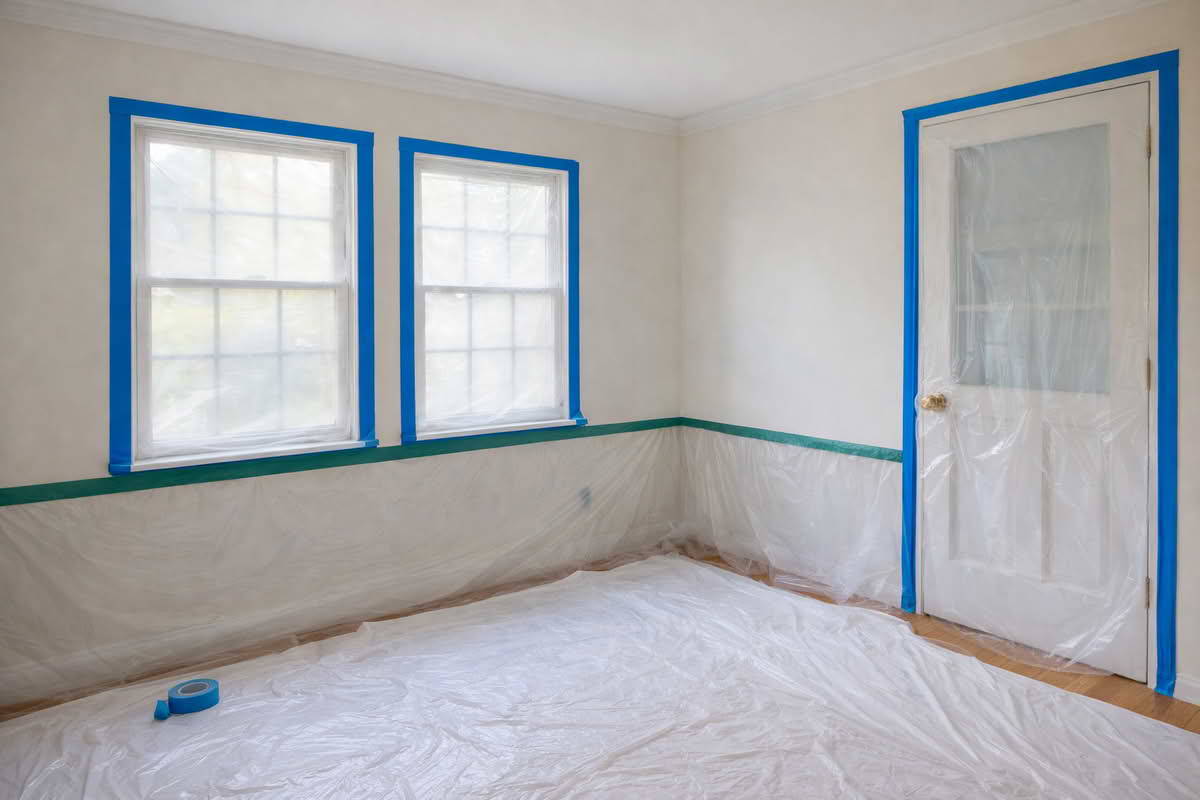
Painter's Tape and Masking Buying Guide for Cleaner Edges and Faster Prep
Painter's tape is often treated like a minor supply, but it has an outsized effect on how clean a project looks and how stressful it feels. The wrong tape can pull finish from trim, leave adhesive residue, or allow paint to bleed underneath the edge you were trying to protect. At the same time, buying the most delicate tape for every job can lead to lifting, curling, and wasted time when the surface or coating demands stronger hold. Masking also extends beyond tape alone. Film, paper, and pre-taped systems can save time on bigger jobs, but only when they match the room, the surface, and the way you work. This guide explains how to choose tape and masking materials based on surface sensitivity, job size, removal timing, and long-term cleanup so you can avoid the frustrating kind of prep mistakes that are only obvious once the paint starts drying.
Tape Types and Surface Sensitivity
The first tape decision is not color, package count, or whether the label claims sharp lines. It is surface sensitivity. Painter's tape works by balancing two opposing needs: it must hold firmly enough to resist lifting and paint bleed, but it must also release cleanly without damaging the surface below. Choosing well means starting with the finish you are applying tape to, not just the paint you plan to use above it.
Multi-surface painter's tape is the general starting point for many household projects. It is designed to work across common materials such as painted drywall, finished trim, glass, and metal hardware, provided those surfaces are clean and sound. This makes it useful for ordinary repainting where the goal is a dependable middle ground rather than a specialty solution. For many people, it is the right answer because it performs reasonably well without requiring a separate tape for every room.
Delicate-surface tape exists for a reason, and it is not only for luxury finishes. It becomes relevant when the surface is recently painted, lightly cured, older and more fragile, wallpaper-adjacent, or finished in a way that chips easily. In those cases, stronger adhesive can create the very repair work you were trying to avoid. The tradeoff is that delicate tape usually demands more careful application and may be less forgiving on dusty surfaces or in spots where tension tries to pull the tape loose.
This is where many buyers go wrong. They assume stronger hold always means cleaner lines. But a clean edge is only useful if the underlying finish remains intact when the tape comes off. On the other hand, buying delicate tape for every job can create frustration when it refuses to stay seated around corners, textured surfaces, or longer masking runs. The better way to think about tape is not strong versus weak. It is appropriate hold versus unnecessary risk.
Tape width also affects control. Narrower tape is useful for detailed masking, thin trim lines, and smaller correction zones where you want flexibility around curves or tight edges. Standard widths work well for general wall-to-trim transitions, windows, baseboards, and wider protection bands. Wider tape can be useful when the tape itself is serving as both edge control and partial surface shielding, but it becomes less nimble in tighter areas. Wider is not automatically better if it slows application or buckles around detail work.
Choose multi-surface tape for general repainting on stable, common household finishes.
Choose delicate-surface tape when the existing finish is newer, fragile, or more likely to lift.
Match tape width to the detail level of the work rather than assuming wider tape is more professional.
Treat surface condition as the main decision point, not just the room you are painting.
Surface texture matters too. Smooth trim, glass, tile, and sealed surfaces usually let tape seat more predictably. Lightly textured walls, rougher wood, or dusty repair areas are harder to seal, which increases the chance of edge bleed. That does not always mean a different tape solves the problem. Sometimes it means the surface needs better prep, cleaner contact, or a different masking strategy altogether. Tape is useful, but it is not a substitute for surface readiness.
A final practical point is storage. Tape that has been exposed to heat, dust, humidity, or long garage shelf life often performs worse even if the roll looks fine. Weak edge adhesion and tearing during removal are sometimes blamed on the product category when the real issue is old material. For projects where finish quality matters, fresh tape is often a safer choice than using a partially aged roll from a mixed toolbox bin.
Masking Systems and Project Scale
Once the tape type is roughly correct, the next decision is whether tape alone is enough. Many projects do not fail because the tape edge is wrong. They fail because the protected area is too small for the amount of splatter, brushing, rolling, or spraying involved. That is where masking materials such as paper, plastic film, pre-taped film, and drop systems become much more important.
Tape-only prep works well for smaller, controlled jobs. Cutting in along trim by hand, repainting one accent wall, or protecting a narrow seam can often be handled with tape and careful technique. But once the project gets broader, faster, or messier, relying on tape alone becomes inefficient. Wider risk zones need actual coverage, not just a line. This is especially true when spraying, rolling ceilings, or repainting around windows, cabinets, flooring transitions, and built-in features.
Masking paper is useful when you want a more rigid, controlled barrier that sits flatter and stays predictable during brushing or rolling. It works well for baseboards, trim runs, and flooring edges where a little added body helps. Plastic masking film offers broader surface protection with less bulk, and it becomes especially useful when covering furniture, windows, appliances, or larger vertical zones. Film is often the more efficient choice for volume coverage, but it can be less pleasant to work with when static cling, bunching, or airflow make placement harder.
Pre-taped drop film systems can save real time on repetitive or larger jobs. They combine edge control and wider coverage in one step, which is valuable around windows, door casings, cabinet banks, and broad trim sections. The convenience is genuine, but only when the project scale justifies it. For one small touch-up area, a larger pre-taped system can create more setup awkwardness than value. For whole-room prep, it can make the workflow much more efficient.
Full masking systems become more useful as project size, splatter risk, and surface variety increase beyond what tape alone can protect efficiently.
The type of application method matters here as well. Rolling a wall creates a different masking need than spraying cabinet doors or overhead ceiling work. Sprayers demand broader protection because overspray travels farther and settles where many first-time users do not expect it. Ceiling painting often benefits from longer masking runs and better drip control along wall lines, while trim brushing may only need targeted protection in key zones. The right masking system depends on the size of the mess radius, not just the size of the room.
Use tape alone for smaller, controlled edge work where the risk area stays narrow.
Add masking paper or film when surrounding surfaces need real coverage, not just edge definition.
Consider pre-taped systems when the project involves repeated long runs or larger prep zones.
Let the application method determine the masking level, especially for spraying and ceiling work.
Another practical consideration is mobility. If you will be moving ladders, trays, extension poles, or spray equipment through the space, loosely planned masking tends to fail mid-project. Film tears, tape catches, and partial coverage gaps become more likely once the room is active. This is why scale decisions should include how the job will actually unfold, not just what surfaces look vulnerable during the first few minutes of setup.
In other words, masking is not only about protecting surfaces. It is about creating a stable work environment. A better masking system can reduce hesitation, speed up movement, and lower the mental load of constantly worrying about accidental contact. That matters more than most people expect during longer repainting sessions.
Adhesion, Removal, and Workflow
Even the right tape can produce poor results if it is applied or removed at the wrong moment. This is one of the main reasons painter's tape disappoints people. The product gets blamed for problems that are really about workflow, timing, or unrealistic expectations about what tape can compensate for.
Good adhesion starts with surface preparation. Dust, sanding residue, grease, soap film, and chalky paint layers all reduce how well tape seals to the edge. On trim and hard surfaces, a quick wipe-down often matters more than upgrading to a stronger product. On walls with patching dust or textured irregularities, pressing tape carefully into place can reduce edge problems more effectively than buying a more expensive roll. Tape rarely performs at its best when applied over prep shortcuts.
Burnishing is useful, but it should be targeted rather than aggressive. Light, even pressure along the paint edge helps seat the tape and reduce bleed. Excessive pressure across fragile surfaces can increase the chance of damage during removal. The goal is consistent contact, not maximum force. This is especially important on newer paint, veneered surfaces, or trim with older finish layers.
Removal timing is another major factor. Leave tape on too briefly and the paint line may not have settled well, especially if the project involves multiple passes or adjacent masking changes. Leave it on too long and the adhesive relationship changes, making residue, tearing, or edge bridging more likely. In some situations, paint can form a thin film across the tape edge, so pulling the tape later risks tugging at the new finish rather than revealing a clean line. This is why tape is part of the workflow plan, not just something applied at the beginning and ignored until the end.
Workflow should also account for sequence. For example, rooms with multiple trim transitions, windows, ceiling lines, and floor protections usually go more smoothly when masking is staged logically rather than done all at once without regard for the order of work. Similarly, if you know a project will span multiple sessions, the tape and masking materials need to support that timing. Some products are better suited to short turnaround use, while others are more forgiving when the project stretches across several days.
Residue risk matters most on visible finished surfaces. Glass is usually easier to clean. Painted trim, cabinet finishes, sealed flooring, and delicate wall areas are less forgiving. A tape that removes cleanly from one material may behave differently on another, especially if heat, sunlight, humidity, or long dwell time are involved. This is why general “clean release” language on the package should be treated as a starting point, not a guarantee.
Apply tape only after dust, grease, and surface residue have been addressed.
Use firm, even edge contact instead of pressing every surface as hard as possible.
Plan tape removal as part of the painting sequence, not as an afterthought.
Be more cautious on newer paint, delicate finishes, and visible trim where damage is harder to hide.
A helpful mindset is to think of painter's tape as a precision aid rather than a rescue tool. It improves controlled work, but it does not replace patience, surface prep, or realistic timing. Buyers are often happiest when they choose tape and masking products that fit their actual process. They are usually least satisfied when they expect tape to make rushed technique look deliberate.
In long-term use, the best tape and masking setup is the one that reduces rework, not just initial prep time. Clean release, consistent edge control, and efficient room protection save more frustration than shaving a few minutes off setup. That is where the real value shows up.
Final Recommendations — choosing the masking setup that prevents the most cleanup
For most household painting projects, the safest approach is to choose painter's tape based on the surface underneath it and then scale the masking system according to how messy the application method will be. A reliable multi-surface tape covers many ordinary repainting jobs, but delicate surfaces, broad spray zones, and larger room prep often call for more specialized materials. The key is not buying the most aggressive tape or the most elaborate kit. It is building a masking approach that protects finishes without creating new problems during removal.
Choose tape by surface sensitivity first, especially when working over finished trim or newer paint.
Use masking paper or film when the protected zone is wider than a simple tape edge can handle.
Upgrade to pre-taped systems when repeated long runs or larger rooms make setup time a real constraint.
Treat clean removal and low rework risk as more important than minimal upfront prep time.
The long-term low-regret decision in this category comes from respecting prep as part of finish quality. Good masking materials do not just protect surfaces. They support cleaner lines, more confident movement, and a calmer workflow from the first edge to the last cleanup pass. When tape strength, masking coverage, and removal timing match the project, the room looks better and the job feels easier for the right reasons.