Wall Patch and Surface Repair Buying Guide for Cracks, Dents, and Cosmetic Fixes
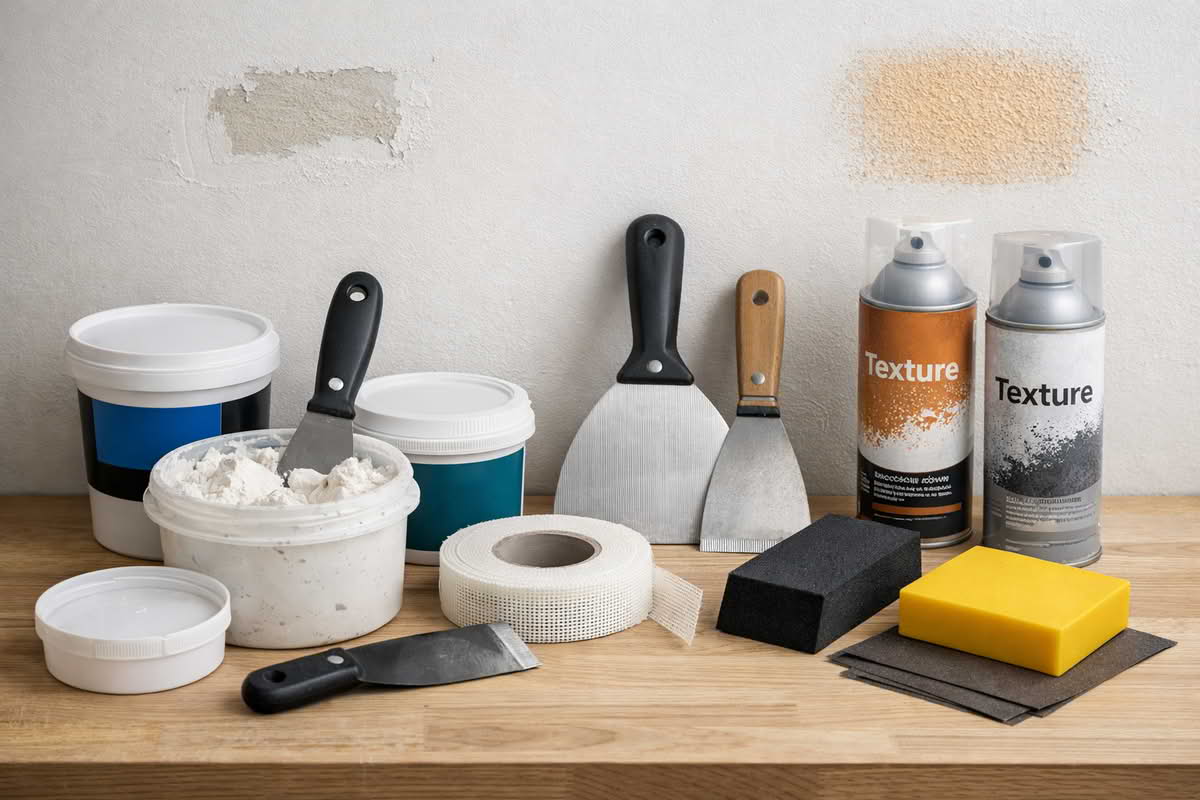
Not every damaged wall needs a full drywall repair kit, and not every cosmetic flaw can be hidden with a little filler and paint. That middle ground is where wall patch and surface repair products matter most. Hairline cracks, minor dents, shallow gouges, chipped corners, old anchor marks, and texture inconsistencies often look simple at first, but they can become frustrating when the wrong repair product shrinks, flashes through paint, or leaves a smoother patch on an otherwise textured wall. Many homeowners buy for speed alone and end up redoing the same spot because the filler was too soft, too brittle, too thick, or simply wrong for the type of damage underneath. The best choice depends on whether the wall needs filling, bridging, rebuilding, or finish blending. This guide explains how to choose wall patch and surface repair products based on damage type, repair depth, texture needs, and paint-ready finish quality so the repair feels less like a visible patch and more like normal wall surface again.
Damage Type and Repair Category
The first step in choosing a wall patch or surface repair product is understanding what kind of wall problem you are actually dealing with. Many products are marketed broadly enough that they appear interchangeable, but a filler that works well for a shallow dent may perform poorly on a crack that moves slightly, a chipped edge that needs rebuilding, or a texture mismatch that becomes obvious under paint. Good buying starts with classifying the repair rather than looking for a single universal solution.
Shallow cosmetic damage is the easiest category. Small dents, pinholes, minor furniture scuffs, and removed-anchor marks often need little more than surface filling and careful sanding. In these cases, simpler spackling-style products or compact repair kits usually make the most sense because the wall still has its basic structure. The goal is to restore the face of the wall, not to rebuild depth or add reinforcement. A lightweight repair product can be very effective here, especially when the repaired area is small and easy to feather.
Cracks require more caution. A fine crack in a stable painted surface may still be mostly cosmetic, but longer seams, recurring corner cracks, and cracks that sit near movement-prone areas are different. These problems can reopen if the repair product is too brittle or if it only fills the visible line without accounting for why the crack exists. This does not always mean a major drywall repair is needed, but it does mean the product should be chosen for crack behavior rather than simple hole filling. A product that looks smooth on day one can fail quietly over time if the wall continues to shift.
Wider chips, worn-out corners, and damaged edges often need rebuilding rather than just filling. These areas may benefit from products with better body and edge-holding ability because the repair is partly about recreating shape. A soft filler that sands easily can still be the wrong choice if the surface needs to hold a crisp corner or tolerate light impact after the repair. This is one reason wall damage near outside corners, trim transitions, or lower traffic-level wall zones often deserves more deliberate product selection than a flat wall dent.
Texture repair is its own category. Sometimes the wall is structurally fine, but the visible issue is that the finish texture was scraped, sanded flat, patched too smoothly, or interrupted by a previous repair. In those cases, ordinary filler may solve the depression while still leaving a cosmetic mismatch. If the surrounding wall has orange peel, knockdown, or another visible pattern, the repair product needs to support surface recreation, not just filling. Buyers often underestimate how obvious a texture mismatch can be even when the patched spot is flat and fully painted.
Choose simple surface repair products for small dents, shallow gouges, and minor anchor damage.
Choose more crack-aware repair products when the problem is a line that may reopen or shift.
Choose stronger rebuild-oriented products for corners, chips, and damaged edges that need shape, not just fill.
Choose texture-supporting solutions when the wall surface pattern matters as much as the patch itself.
A useful mental model is to ask whether the wall problem is missing surface, unstable surface, or mismatched surface. Missing surface needs fill. Unstable surface may need a more durable repair approach. Mismatched surface may need finish recreation in addition to filler. Once you identify which problem is dominant, the product field becomes easier to narrow.
Low-regret buying usually comes from resisting the idea that every wall blemish belongs to the same repair category. The closer the product matches the actual type of damage, the less sanding, repainting, and second-guessing tends to follow.
Filler Behavior and Finish Matching
Once the repair category is clear, the next major decision is how the filler behaves. This matters more than branding because wall repairs succeed or fail based on spreadability, shrinkage, edge feathering, sanding feel, and how the repaired zone looks after paint. Two products can both claim to repair holes and cracks, yet behave very differently in real use.
Lightweight spackling-style products are popular because they are easy to handle, easy to sand, and usually well suited to smaller cosmetic repairs. They work best when the damage is shallow and the finish standard is moderate to high but the repair depth is low. Their main advantage is ease. Many homeowners can get a decent result without much specialized technique. Their weakness is that some versions do not hold up as well in slightly deeper repairs or in spots where shrinkage exposes the need for a second pass.
Heavier wall patch compounds or surface repair fillers usually offer more body. That added body can help when the repair needs to bridge a wider imperfection, rebuild a chipped area, or resist sinking as it dries. But more body often comes with a tradeoff: the material can be harder to spread smoothly and may demand more careful sanding. This is not necessarily a disadvantage. It simply means the product is better suited to repairs where shape retention matters more than effortless application.
Plaster-oriented repair products deserve separate attention when the wall surface is older, harder, or less drywall-like in behavior. A repair that feels acceptable with a soft wall filler on standard drywall may behave poorly on an older plaster surface if adhesion, rigidity, or finish matching are not compatible. The wrong product can leave a visually acceptable patch that still cracks at the edges or behaves differently under primer and paint. Matching repair chemistry to wall type is not always dramatic, but it can matter in older homes and mixed-surface interiors.
Shrinkage is one of the most common disappointment points in this category. A filler that looks level when wet may dry lower than expected, exposing the repair outline or forcing another pass. That is not always a flaw; many products are designed to build gradually rather than be finished in one heavy application. But buyers who want one-pass convenience should be realistic about how visible the wall is and whether a slightly more substantial product would reduce rework.
Sanding feel also changes the experience. Some repair products sand very easily, which is helpful for beginners and small visible repairs. Others resist sanding more and ask for better knife work up front. The best choice depends partly on skill and partly on the room. On a small patch in a visible hallway, easier sanding may matter a lot. On a corner rebuild where durability matters, a somewhat firmer product may be a better tradeoff.
Surface repair products differ less by packaging claims than by how they spread, shrink, sand, and blend into the surrounding wall after paint.
Finish matching is the other half of the decision. A repair product can fill well and still leave a visible spot if it feathers poorly or accepts paint with a noticeably different sheen. Smooth walls are unforgiving here, but lightly textured walls can also reveal a repair because the patched area behaves differently under the finish coat. This is why buying only for fill speed often backfires in more visible rooms.
Choose lightweight fillers for shallow cosmetic repairs where easy sanding matters most.
Choose denser repair compounds for deeper fills, edge rebuilding, and repairs that need more body.
Use plaster-oriented products when the wall surface calls for better compatibility than generic wall filler provides.
Judge fillers by shrinkage, feathering, and paint-ready appearance, not just by how easy they are to spread.
One helpful question is whether the repair is more likely to fail by sinking, cracking, or staying visible under paint. Once you know the failure mode you are trying to avoid, product selection becomes much more grounded.
In long-term ownership, the most useful wall repair products are usually the ones that behave predictably. Predictability matters because it lets you plan the repair sequence instead of reacting to surprises after the first coat dries.
Texture, Workflow, and Long-Term Results
Wall patch and surface repair products should also be judged by how well they fit the full repair workflow. Most cosmetic wall fixes do not end with filling the damage. They move through shaping, drying, sanding, cleaning, and repainting, and sometimes require texture recreation before the wall can look normal again. A good product does not just fill the flaw. It supports the room’s finish standard from start to finish.
Texture is a major part of that standard. Many walls are not perfectly smooth, and even those that appear smooth at a glance often have subtle roller texture or prior finish variation that becomes visible once a patch is repainted. If the repair area ends up flatter than the surrounding wall, the result can still look wrong. This is why texture repair products and matching tools deserve more attention than they usually get. They matter most in rooms where the surrounding finish has a recognizable pattern or where lighting exaggerates surface differences.
Texture repair options vary in usefulness depending on the size of the mismatch. For very small touch-ups, careful filler shaping and normal repainting may be enough. For scraped orange peel, patch zones that were sanded too flat, or larger visible spots, texture-focused products can make the difference between a repair that blends and one that looks obviously newer than the wall around it. These products are best seen as finish tools, not structural tools. They solve the last visible problem after the surface is already sound.
Workflow timing matters too. Fast-dry products are attractive when you want the repair done quickly, but they can encourage rushed sanding or repainting before the patch has truly stabilized. Slower and more forgiving products may produce better results in visible rooms because they give more working time and make shaping easier. For low-stakes utility spaces, speed may be the better tradeoff. For main living areas, finish control usually deserves more weight.
Another important factor is tool compatibility. Some wall repair products work best with a simple putty knife and sanding sponge. Others benefit from a wider knife, corner tool, or texture applicator. Buyers are often disappointed not because the repair compound itself was poor, but because they paired it with tools too small or imprecise to shape the repair well. This is especially true on cracks that need feathering, broader skim-style surface fixes, and corner rebuilds where straightness matters.
Long-term results also depend on the wall’s future use. A repaired area behind a picture frame has different demands than a wall corner in a busy hallway or a living room surface that catches side light every afternoon. Durability, finish matching, and surface hardness should be judged against where the repair lives. Products that are easy and forgiving for low-traffic cosmetic fixes may be less satisfying where the wall will be touched, bumped, or visually examined often.
Choose texture repair support when the wall finish pattern is part of what makes the damage noticeable.
Give more weight to slower, more controllable products in visible rooms where finish quality matters most.
Match the repair product to tools that can feather, shape, or texture it appropriately.
Judge durability according to the wall location, not just the size of the damage.
Storage and repeat use matter here as well. Many homeowners benefit more from a compact, dependable set of wall repair products for recurring household fixes than from a single oversized kit intended for rare larger damage. Small cracks, dents, and touch-up areas happen repeatedly over time. A product that stores reasonably well and remains useful across common minor repairs often delivers more value than a more specialized option that only solves one type of flaw.
In practical terms, the best wall patch and surface repair choice is often the one that makes the final paint step feel routine instead of risky. If the repair sands predictably, matches the surrounding surface more closely, and does not surprise you by shrinking or flashing through the finish, it is doing exactly what it should.
Final Recommendations — choosing the repair product that matches the wall, not just the flaw
For most households, the safest approach is to choose wall patch and surface repair products according to the kind of problem the wall actually has. Lightweight fillers are usually the better choice for shallow dents and small cosmetic damage. Heavier or more structural surface repair products make more sense for chips, edges, and deeper imperfections. Crack-aware and plaster-oriented products matter when the wall material or movement risk changes the repair demands, while texture repair products become valuable when the finish mismatch is the most visible part of the problem.
Choose simple spackling-style products for minor cosmetic repairs where ease and finish blending matter most.
Choose more substantial repair compounds for chips, edge rebuilding, and fills that need better body and durability.
Choose texture repair support when a flat patch would still look wrong after paint.
Judge every repair product by its full result: filling, feathering, sanding, and how naturally it disappears into the wall.
The long-term low-regret decision in this category is to stop thinking of all wall blemishes as the same repair. A better product match usually means less rework, less sanding, and a better chance that the repaired area will stop drawing attention once the room is back together. When the product fits both the wall material and the finish standard of the space, the repair feels calmer, cleaner, and much more believable.