Laundry Hamper Buying Guide: How to Choose a System That Makes Laundry Less Annoying
Laundry hampers are easy to dismiss as simple containers, which is one reason so many households end up using the wrong ones for years. A hamper that is too small overflows constantly, one that is too large becomes heavy and unpleasant to empty, and one that looks tidy in the corner may still work badly if it traps odors, makes sorting harder, or forces clothes into a routine nobody wants to maintain. Good laundry storage should do more than hide dirty clothes. It should support the way laundry actually moves through the home, from daily drop-off to sorting, lifting, washing, and resetting. Whether you need a divided system, a slim hamper for a tighter room, or something easier to roll to the washer, the best choice is the one that reduces friction in the whole laundry cycle instead of just containing clutter between loads.
Capacity and Household Routine Matter More Than a Nice Shape
The most common mistake in this category is choosing a hamper by appearance and approximate size instead of by laundry behavior. Buyers often focus on whether the hamper looks neat in a bedroom, bathroom, or laundry room, then discover later that it does not actually suit the volume or rhythm of the household. A container that is always full by midweek is not helping, but a giant hamper that encourages clothes to pile up for too long may not be a better answer. The right size depends on how often laundry is done, how many people contribute to the load, and whether clothes are being collected in one central location or across several rooms.
This is why hamper capacity should be thought of in terms of workflow rather than raw volume. In a one-person home, a moderate-size hamper may be enough to keep laundry moving without creating a heavy, awkward load. In a family household, that same size can overflow constantly and turn the floor around it into secondary storage. At the same time, very large hampers can work against good laundry habits by making loads harder to carry and easier to postpone. The hamper should support a believable cycle, not become a holding tank for an undefined future laundry day.
Placement changes the right answer as well. A bedroom hamper may only need to handle clothing and soft laundry overflow. A bathroom hamper may deal with towels and heavier damp loads. A laundry-room hamper may act more like a staging point for larger family volume. These are all valid uses, but they create different expectations for size, structure, and ease of handling. A hamper that works well in one room may feel badly chosen in another because the weight profile and frequency of use are completely different.
Choose hamper size around how often laundry is actually done, not around the biggest container that fits the room.
Choose capacity that reduces overflow without creating loads so large that lifting and sorting become unpleasant.
Choose differently for bedrooms, bathrooms, and laundry rooms when those spaces handle different kinds of laundry volume.
Another overlooked issue is whether the hamper is expected to be temporary holding space or a more active part of the washing process. Some households want a simple drop zone and sort only at wash time. Others want the hamper itself to support early separation of lights, darks, delicates, or towels. The better hamper depends on that decision. Without it, buyers often end up with a product that is neither especially convenient for simple collection nor especially useful for organized sorting.
It also helps to think honestly about how full a hamper should be before it gets emptied. Many people assume more capacity is always better, but a hamper that becomes frustrating to drag, tip, or carry is usually a sign that the storage and handling logic are out of balance. A slightly smaller system that fits the laundry routine can outperform a larger, more impressive-looking hamper that makes the actual transfer to the washer more irritating than it should be.
Laundry hampers work better when capacity matches the household routine instead of encouraging constant overflow or oversized, hard-to-handle loads.
Sorting, Mobility, and Room Fit Determine Whether the Hamper Helps
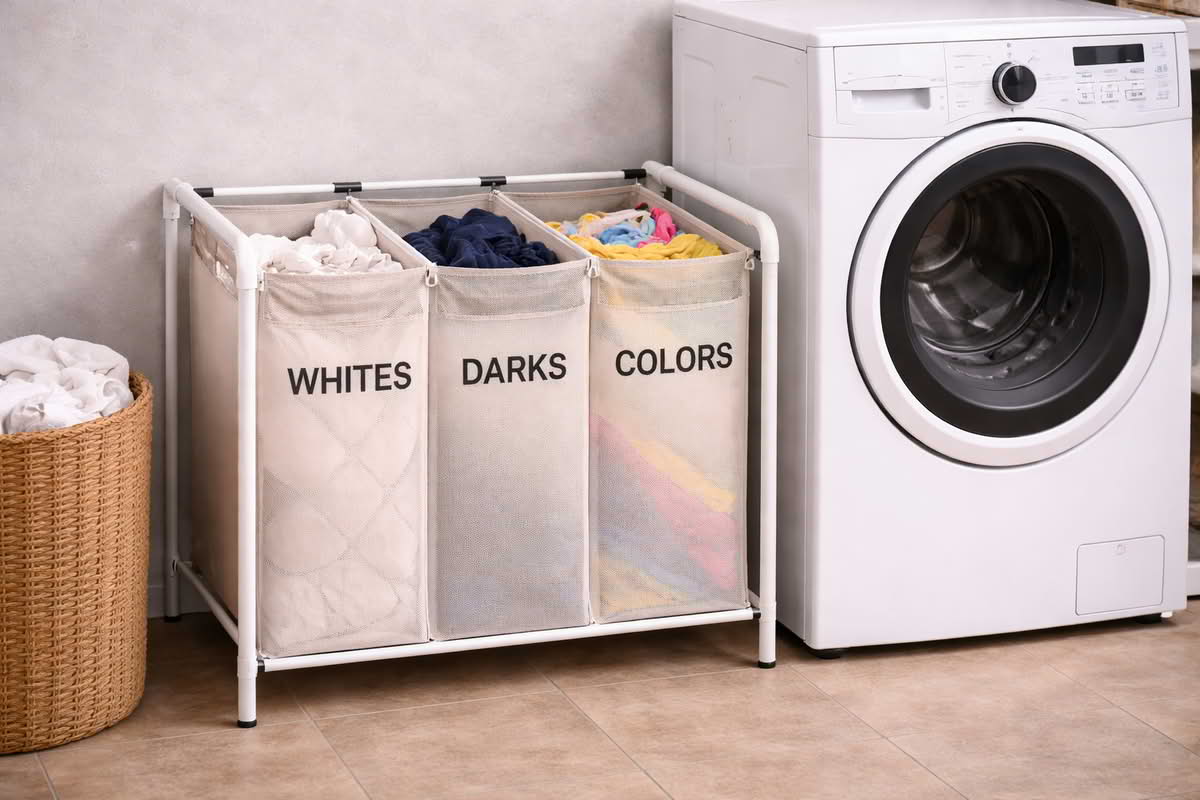
Once size makes sense, the next question is whether the hamper supports the way laundry moves from one stage to the next. This is where divided hampers, rolling hampers, narrow formats, and more traditional single-bin designs begin to separate. A divided hamper can be extremely useful when the household actually sorts as clothes are dropped in. It can reduce the most annoying part of laundry day by moving the decision earlier. But it only works well if the categories are simple enough that people will use them consistently. Overly specific sorting can collapse quickly in real life, especially in shared homes.
Single-bin hampers solve a different problem. They are simpler, often easier to fit into bedrooms and bathrooms, and ask less ongoing discipline from the household. For people who prefer to sort at wash time, or who mostly wash clothing in mixed loads, that simplicity can be the better long-term solution. The risk is that large unsorted hampers can feel more chaotic once laundry day arrives. The right answer depends on whether the household values low daily effort or lower sorting effort later.
Mobility matters more than buyers often expect. Laundry hampers are not just storage pieces. They are transport tools, even if only for a short distance. Rolling hampers can make a real difference in homes where the laundry area is down a hall, through a larger room, or on another floor level with minimal carrying. But wheels are not always a pure benefit. They add hardware, slightly change proportions, and work best only when the floor and room layout support smooth movement. In smaller rooms or homes where the hamper is lifted rather than rolled, a simpler handled design may be more practical.
Choose divided hampers when the household will actually sort during daily use instead of postponing all decisions to laundry day.
Choose single-bin hampers when simpler collection matters more than pre-sorting and the washing routine can absorb that step later.
Choose rolling designs when the hamper truly needs to move regularly across usable floor surfaces rather than simply looking more capable.
Room fit is especially important in laundry and utility spaces because floor area is often tight and circulation matters. Slim hampers can work very well beside washers, inside closets, or in narrow bathrooms, but only if their reduced footprint does not make them unstable or awkward to load. A tall narrow hamper that tips easily or becomes difficult to empty may technically solve the floor-space problem while creating a handling problem instead. The better fit is the one that preserves movement through the room while staying believable in daily use.
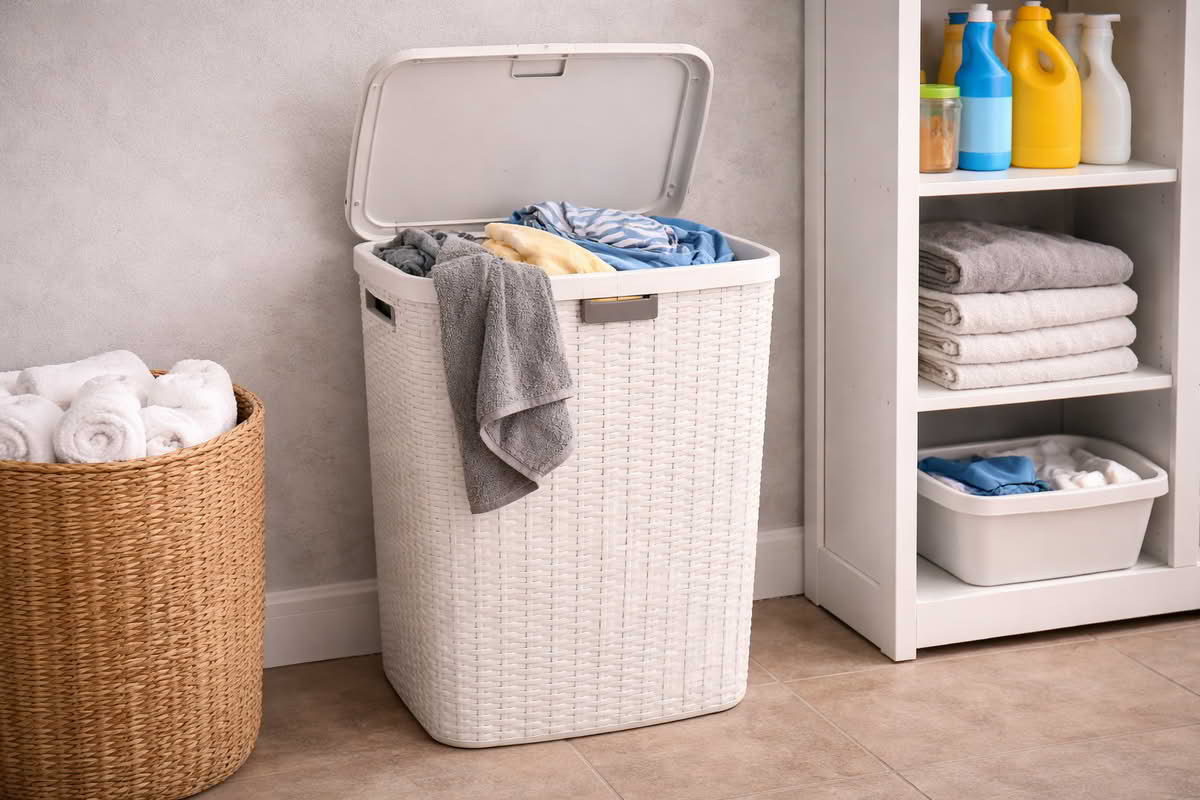
Lids are another tradeoff. A lidded hamper can reduce visual clutter and help a room feel more composed, which is especially useful in bedrooms and visible bathrooms. But lids also add one more step every time clothes are dropped in, and they can become annoying if the opening is too small or the mechanism too awkward. In practical terms, lids are most valuable when the hamper lives in a visible space and the household will still use it correctly with that extra step in place.
Handles, removable bags, and inner liners deserve attention as well. These details strongly affect whether the hamper feels like a convenient staging point or a cumbersome container that nobody enjoys emptying. A hamper that supports easy lifting, easy bag removal, or quick transfer to the washer often creates a better daily experience than one that simply looks more structured from the outside.
Sorting features and room fit matter most when they reflect the real laundry routine instead of adding complexity the household will not keep up with.
Materials, Odor Control, and Long-Term Use Matter More Than Laundry-Room Styling
A laundry hamper has to handle one of the least glamorous realities in the home: damp fabric, odors, repeated touching, and constant low-level wear. That makes material choice more important than many buyers realize. Fabric hampers can be lightweight and easy to fit into bedrooms or closets, but they may hold odors more readily and lose shape over time if heavily used. Hard-sided plastic or resin hampers are often easier to wipe clean and more resilient in bathrooms or laundry areas, though they may feel more utilitarian in visible living spaces. Woven and decorative materials can soften the look of a room, but they should still be judged by whether they can survive repeated loading, handling, and occasional damp laundry.
Airflow matters here as well. A hamper that traps too much moisture can create a stale, unpleasant storage zone, especially in bathrooms or households where damp towels and workout clothes are common. At the same time, too much openness may make visual clutter more obvious or allow laundry to spill outward more easily. The right balance depends on what is being stored. Dry bedroom clothing behaves differently from used bath towels or athletic wear. A hamper should be chosen for the actual laundry category, not just for the room style.
Odor control is less about special claims and more about practical design. Easy-emptying systems, washable liners, wipe-clean surfaces, and enough airflow usually matter more than decorative features. Buyers sometimes focus on how the hamper looks in a styled corner, but the more important question is whether it still feels acceptable after months of repeated use. A laundry product that becomes hard to clean or unpleasant to manage is likely to create quiet dissatisfaction no matter how well it matches the décor.
Choose easier-clean materials when the hamper will handle damp towels, gym clothes, or bathroom laundry regularly.
Choose washable liners or removable bags when reducing handling friction and odor buildup matters more than a fixed rigid interior.
Choose decorative materials only when they can still tolerate the real mess and repetition of daily laundry use.
Long-term use also depends on whether the hamper makes the right behavior easier. A good system should encourage clothes to land in the container, remain there without overflowing constantly, and move to the wash without turning into a dreaded lifting or sorting event. If the hamper is unstable, visually overfull all the time, or unpleasant to empty, people will start working around it. That usually means clothes on the floor, towels on hooks, or extra piles forming nearby.
Visual calm still matters, especially in bedrooms and bathrooms where the hamper is part of the room every day. But calm should come from a believable system, not just from a lid or a neutral color. A hamper that hides the laundry but is always too full is not really solving the problem. A simpler open hamper that stays within the household's rhythm may create a better real-world result than a more polished-looking container that is constantly overburdened.
In the long run, good laundry hampers work because they respect the whole cycle: collection, sorting, transport, washing, and reset. When the hamper supports those stages cleanly, it becomes a useful piece of household infrastructure. When it only addresses how dirty clothes look in the corner, it rarely stays satisfying for long.
Final Recommendations — Choosing a Laundry Hamper With Less Friction Later
The right laundry hamper is the one that matches the household's real laundry rhythm, room constraints, and tolerance for sorting. Buyers usually get the best result when they choose for workflow rather than just style. A hamper that is easy to fill, easy to empty, and easy to live with every day will nearly always outperform a prettier option that complicates the actual job.
Choose divided hampers when the household benefits from pre-sorting and will actually maintain simple categories consistently.
Choose slim hampers when space is tight, but only if the design still feels stable and believable when loaded.
Choose rolling hampers when the container truly needs to travel regularly rather than simply sitting near the washer.
Choose easy-clean materials and removable liners when damp laundry, odor control, and daily practicality matter more than decorative appearance.
A low-regret laundry hamper should make dirty clothes easier to manage, not just easier to hide. When capacity, handling, sorting, and material choice all fit the real routine, laundry storage becomes much less of a small daily annoyance and much more of a system that quietly works.